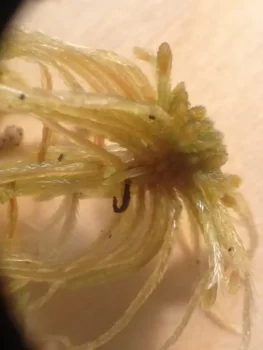
Discovering Sphagnum: The Rare Bog Moss That’s More Important Than You Think
When most gardeners think about adding plants to their landscape, moss rarely makes the list. But Sphagnum angustifolium, commonly known simply as sphagnum, is far from your average backyard moss. This fascinating little bryophyte plays a huge role in some of North America’s most important ecosystems – and it’s rarer than you might expect.
What Exactly Is Sphagnum?
Sphagnum angustifolium belongs to the world of bryophytes – those ancient, non-flowering plants that include mosses, liverworts, and hornworts. Unlike the flowering plants we’re used to, this moss doesn’t produce seeds or showy blooms. Instead, it forms dense, spongy cushions that can range from pale green to almost whitish in color.
As a terrestrial moss, sphagnum often attaches itself to solid surfaces like rocks, logs, or even living trees rather than growing directly in soil. It’s herbaceous by nature, meaning it stays soft and green rather than developing woody stems like shrubs or trees.
Where Does This Moss Call Home?
Sphagnum angustifolium is native to North America, where it naturally occurs in the cooler northern regions. You’ll typically find it thriving in boreal areas and some temperate zones, particularly in the specialized environments it needs to survive.
A Rare Beauty Worth Protecting
Here’s where things get serious: this isn’t just any common moss you might stumble across. In New Jersey, Sphagnum angustifolium has earned the sobering designation of Endangered and is listed as S1, meaning it’s critically imperiled in the state. It’s also specifically protected in both the Pinelands and Highlands regions.
This rarity status means that if you’re lucky enough to encounter this moss in the wild, it deserves your respect and protection. Never collect it from natural areas, and be mindful not to disturb its habitat if you come across it during nature walks.
Identifying Sphagnum in the Wild
Spotting Sphagnum angustifolium requires a keen eye and the right habitat. Look for:
- Dense, cushion-like growth patterns
- Pale green to whitish coloration
- Spongy, soft texture when gently touched
- Growth on wet, acidic surfaces rather than directly in mineral soil
- Presence in bog-like or consistently moist environments
Why This Moss Matters for Gardens and Beyond
While Sphagnum angustifolium isn’t something you’d typically plant in a conventional garden, it serves crucial ecological functions. In its native wetland habitats, it helps maintain water quality, prevents erosion, and creates microhabitats for countless tiny creatures.
For gardeners interested in native landscaping or wetland restoration, understanding and protecting existing sphagnum populations is far more valuable than trying to cultivate it. This moss requires extremely specific conditions – consistent moisture, acidic pH, and cool temperatures – that are nearly impossible to replicate in most garden settings.
The Bottom Line for Gardeners
Rather than trying to grow Sphagnum angustifolium (which would be both challenging and potentially problematic given its endangered status), consider this moss an indicator of healthy wetland ecosystems. If you’re fortunate enough to have natural bog areas or wetlands on or near your property, protect them fiercely.
For those interested in supporting native moss diversity, focus on creating generally moss-friendly conditions in appropriate areas of your landscape – moist, shaded spots with minimal soil disturbance. While you won’t be growing this particular rare species, you’ll be supporting the broader bryophyte community that plays such an important role in our local ecosystems.
Remember: sometimes the best way to garden with rare native plants is simply to appreciate and protect them where they naturally occur.