Discovering Sphagnum: The Colorful Bog Moss That’s More Than Meets the Eye
When most people think of moss, they picture the green fuzzy stuff growing on tree bark or between sidewalk cracks. But there’s a whole world of mosses out there, and one of the most fascinating is sphagnum moss – specifically, Sphagnum capillifolium. This isn’t your average backyard moss, and if you’re lucky enough to spot it in the wild, you’re looking at something pretty special.
What Exactly Is Sphagnum capillifolium?
Sphagnum capillifolium is a type of bog moss that’s native to North America. Unlike the mosses you might find carpeting your lawn, this species is a terrestrial green plant that often attaches itself to rocks, logs, or other solid surfaces rather than growing directly in soil. It’s part of a group of plants that includes other mosses, hornworts, and liverworts – all of which are always herbaceous and play important ecological roles.
This particular species has quite a few aliases in the scientific world. You might see it referred to by its synonyms: Sphagnum acutifolium, Sphagnum capillaceum, or Sphagnum nemoreum. But don’t let all those names confuse you – we’re talking about the same remarkable little plant.
Where Can You Find This Special Moss?
In the United States, Sphagnum capillifolium has been documented in New Jersey and New York, though its range likely extends beyond these states throughout eastern and northern North America. It’s a plant that knows what it likes – acidic, boggy conditions where few other plants dare to venture.
- Species observed
- No observations
A Word of Caution: Rarity Matters
Here’s something important to know: in New Jersey, Sphagnum capillifolium has a rarity status of Highlands Listed, S2. This means it’s considered quite rare in the state and deserves our respect and protection. If you’re interested in incorporating sphagnum moss into your garden, please make sure any material you acquire is responsibly sourced – never harvest from wild populations.
What Makes This Moss Garden-Worthy?
So why might a gardener care about this particular moss? Here are a few compelling reasons:
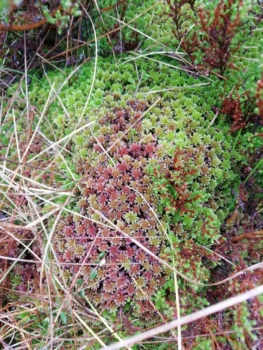
- Unique aesthetic appeal: Sphagnum capillifolium often displays beautiful reddish-pink to burgundy coloration, especially when growing in sunny conditions
- Specialized habitat creation: It’s perfect for bog gardens, rain gardens, and naturalistic wetland landscapes
- Ecological authenticity: As a native species, it supports local ecosystem health
- Low maintenance: Once established in the right conditions, it largely takes care of itself
How to Identify Sphagnum capillifolium
Spotting this moss in the wild (or confirming what you have in your garden) requires looking for a few key characteristics:
- Dense, cushion-like growth form
- Distinctive reddish or pinkish coloration, particularly in bright light
- Preference for very wet, acidic conditions
- Found in bog environments or similar wetland areas
Creating the Right Conditions
If you’re thinking about incorporating sphagnum moss into your landscape, you’ll need to recreate its preferred habitat. This moss thrives in consistently moist to wet, highly acidic conditions. Think bog garden, water feature edges, or specialized rain garden areas. It typically does well in USDA hardiness zones 3-7, preferring full sun to partial shade.
The key is maintaining that acidic environment – sphagnum mosses prefer pH levels around 4-5. Without these specific conditions, this moss simply won’t thrive in a typical garden setting.
The Bottom Line
Sphagnum capillifolium is a fascinating native moss that can add unique character and ecological value to specialized garden settings. However, its rarity status and very specific growing requirements mean it’s not for every gardener or every garden. If you’re drawn to its unique beauty and have the right conditions, make sure to source it responsibly and give it the acidic, wet environment it needs to flourish.
Remember, sometimes the most rewarding gardening experiences come from working with nature’s more unusual offerings – and sphagnum moss definitely fits that bill!