Sphagnum: The Rare Bog Moss That Creates Nature’s Own Water Filter
If you’ve ever walked through a bog or wetland and noticed those soft, spongy patches of moss that seem to hold water like nature’s own sponge, you’ve likely encountered sphagnum moss. Today, we’re diving into one particular species – Sphagnum perichaetiale – a fascinating moss that’s both incredibly useful and surprisingly rare in certain regions.
What Exactly Is Sphagnum perichaetiale?
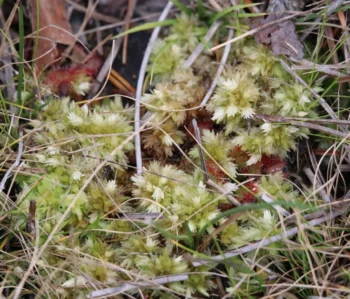
Sphagnum perichaetiale is a species of moss native to North America. Like all mosses, it’s a non-flowering plant that reproduces through spores rather than seeds. This particular sphagnum creates those characteristic cushiony mats you might find in acidic wetlands and bogs.
You might also see this moss referred to by its synonym, Sphagnum erythrocalyx sensu Andrews, in older botanical references. But don’t let the scientific names intimidate you – this is simply nature’s incredible water-retention system at work!
Where Does This Moss Call Home?
This sphagnum species is native to North America, with populations found primarily in the eastern regions of the continent. However, it’s not equally common everywhere it grows.
A Word of Caution: Rarity Matters
Here’s something important to know: Sphagnum perichaetiale has a rarity status in New Jersey, where it’s listed as Highlands Listed, S2. This classification means the species is imperiled in the state, with only a limited number of known populations. If you’re considering adding this moss to your garden, please ensure you source it responsibly from reputable suppliers who don’t harvest from wild populations.
How to Identify Sphagnum perichaetiale
Identifying this particular sphagnum species can be tricky, as many sphagnum mosses look quite similar to the untrained eye. Here are some general characteristics to look for:
- Forms dense, cushiony mats or clumps
- Individual plants are typically pale green to reddish-brown
- Feels soft and spongy when touched
- Holds remarkable amounts of water when squeezed
- Grows in acidic, wet conditions
For definitive identification, you’d need to examine microscopic features, so consulting with a bryologist (moss expert) is your best bet for certainty.
Is This Moss Beneficial in Gardens?
If you’re creating a specialized bog garden or acidic wetland habitat, sphagnum mosses like this one can be incredibly beneficial:
- Natural water retention: Acts like a living sponge, helping maintain consistent moisture levels
- pH regulation: Helps maintain the acidic conditions many bog plants require
- Habitat creation: Provides microhabitat for tiny invertebrates and other small creatures
- Erosion control: Helps stabilize soil in wet areas
Growing Conditions
This moss thrives in very specific conditions that might not suit every garden:
- Consistently moist to wet, acidic soil or growing medium
- High humidity environments
- Partial to full shade
- Cool to moderate temperatures
- Minimal foot traffic or disturbance
The Bottom Line
Sphagnum perichaetiale is a fascinating moss that plays an important ecological role in its native wetland habitats. While it can be a valuable addition to specialized bog gardens, its rarity status means we should approach it with respect and responsibility. If you’re interested in incorporating sphagnum into your landscape, consider working with native plant societies or specialized nurseries that can provide sustainably sourced material.
Remember, the best way to support rare species like this one is often to protect and preserve their natural habitats rather than trying to cultivate them in our gardens. Sometimes the most loving thing we can do for a plant is simply let it be wild.