Discovering Sphagnum: A Rare Bog Moss Worth Protecting
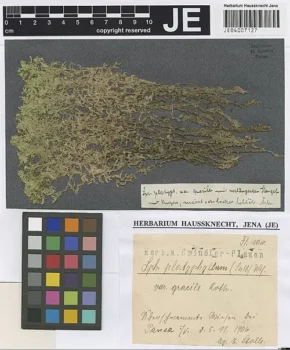
If you’ve ever wandered through a bog or wetland area in New Jersey, you might have encountered a remarkable little moss without even realizing it. Sphagnum platyphyllum, commonly known simply as sphagnum, is one of nature’s most fascinating yet incredibly rare bryophytes – a group that includes mosses, liverworts, and hornworts.
What Exactly Is This Mysterious Moss?
Sphagnum platyphyllum belongs to the world of bryophytes, those ancient green plants that have been quietly doing their thing for millions of years. Unlike the flashy flowers in your garden, this moss is a humble, herbaceous plant that often attaches itself to rocks, wood, or other solid surfaces rather than growing directly in soil. Think of it as nature’s own little cushion, forming soft, spongy mats in its preferred wetland homes.
Where Does This Rare Gem Call Home?
Here’s where things get really interesting – and a bit concerning. This native North American moss has an extremely limited range, with confirmed populations only in New Jersey. That’s right, this little green wonder is essentially a Garden State exclusive, making it one of the region’s most geographically restricted plant species.
- Species observed
- No observations
A Conservation Success Story in the Making
Before you get excited about adding this moss to your garden, there’s something crucial you need to know: Sphagnum platyphyllum carries a rarity status of Highlands Listed, S1 in New Jersey. In conservation speak, S1 means this species is critically imperiled, with very few populations remaining. This isn’t just rare – it’s incredibly rare.
This rarity status means that if you’re fortunate enough to encounter this moss in the wild, it’s best admired from a distance. Any collection or disturbance could harm already vulnerable populations.
Could This Moss Benefit Your Garden?
While the idea of incorporating native bryophytes into gardens is appealing from an ecological standpoint, Sphagnum platyphyllum presents several challenges:
- It requires very specific bog conditions that are nearly impossible to replicate in typical garden settings
- The moss needs constantly moist, acidic environments with high humidity
- It doesn’t provide the typical pollinator benefits that flowering plants offer
- Its critically imperiled status makes responsible sourcing extremely difficult
How to Identify This Elusive Moss
If you’re exploring New Jersey’s wetlands and think you might have spotted Sphagnum platyphyllum, here’s what to look for:
- Small, cushion-like growth forming soft mats
- Light green to yellowish coloration
- Preference for wet, boggy areas
- Often found attached to solid surfaces rather than growing in regular soil
Remember, positive identification requires expertise, and disturbing any potential specimens should be avoided given the species’ rarity.
Supporting Conservation Efforts
Rather than trying to grow this rare moss in your garden, consider supporting its conservation in other ways:
- Participate in local wetland preservation efforts
- Support organizations working to protect New Jersey’s unique bog habitats
- Choose other native bryophytes that are more common and suitable for garden cultivation
- Report any suspected sightings to local botanical organizations or state conservation agencies
The Bottom Line
Sphagnum platyphyllum is a fascinating example of how much biodiversity can be packed into a small geographic area. While it may not be the right choice for your backyard garden, understanding and appreciating these rare native species helps us become better stewards of our local ecosystems. Sometimes the most valuable plants are the ones we protect rather than plant.
If you’re interested in incorporating mosses into your landscape, consider working with local native plant societies to identify more common bryophyte species that can thrive in garden settings while still supporting local biodiversity. After all, every garden can be a small act of conservation – even without the rarest species.