Discovering Sphagnum: The Rare Moss That’s More Important Than You Think
When most gardeners think about adding plants to their landscape, mosses rarely make the list. But here’s the thing about sphagnum moss – it’s one of nature’s most fascinating and ecologically important plant groups, and Sphagnum teres is a particularly special member of this family that deserves our attention and respect.
What Exactly Is Sphagnum teres?
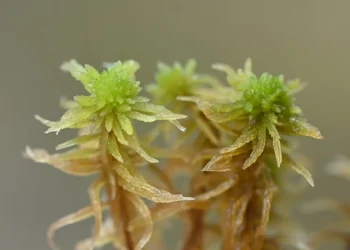
Sphagnum teres is a bryophyte – that’s the fancy scientific term for the group that includes mosses, liverworts, and hornworts. Unlike the flowering plants that dominate most gardens, this little moss doesn’t produce flowers or seeds. Instead, it’s an herbaceous plant that often attaches itself to rocks, logs, or other solid surfaces rather than growing directly in soil.
This moss is native to North America and can be found in New York, though its distribution may extend to other northeastern regions. What makes this species particularly noteworthy is its rarity status – in New Jersey, Sphagnum teres is listed as S2 (Imperiled) and appears on the Highlands Listed species inventory.
- Species observed
- No observations
Why This Moss Matters in Your Garden Ecosystem
You might wonder why anyone should care about a tiny moss, but sphagnum species play crucial roles in their ecosystems:
- They act as natural sponges, absorbing and holding moisture in the landscape
- They help create and maintain acidic conditions that support specialized plant communities
- They provide microhabitats for tiny insects and other small creatures
- They contribute to soil formation and stabilization over time
Where You Might Encounter Sphagnum teres
This moss thrives in consistently moist to wet, acidic conditions, typically in partial shade. You’re most likely to spot it in bog-like environments, along stream edges, or in other naturally wet areas. If you’re lucky enough to have a naturalized wetland area on your property or nearby, keep your eyes peeled for this delicate species.
How to Identify This Special Moss
Sphagnum mosses have a distinctive soft, spongy texture that sets them apart from other moss species. They often display pale green to reddish coloration and form cushion-like clusters. However, identifying specific sphagnum species requires close examination and considerable expertise, as many species look quite similar to the untrained eye.
A Word of Caution: Rarity Means Responsibility
Here’s the important part – because Sphagnum teres has a rarity status of S2 (Imperiled) in New Jersey, it’s crucial that we treat any encounters with this species responsibly. This means:
- Never harvest or disturb populations you might find in the wild
- Avoid trampling or damaging wet areas where rare mosses might grow
- If you’re interested in moss gardening, work with common, non-rare species instead
- Consider supporting wetland conservation efforts in your area
Supporting Moss Diversity in Your Landscape
While you shouldn’t attempt to cultivate rare species like Sphagnum teres, you can create conditions that support moss diversity in general. Consider maintaining naturally moist, shaded areas on your property, avoiding excessive fertilization (mosses prefer nutrient-poor conditions), and resisting the urge to clean up every fallen log or rock surface where mosses might establish.
The Bottom Line
Sphagnum teres represents the often-overlooked world of bryophytes that quietly support our ecosystems in countless ways. While this particular species is too rare to consider for cultivation, learning about it helps us appreciate the incredible diversity of plant life around us. The next time you’re exploring wetland areas in the Northeast, take a moment to look closely at the mosses beneath your feet – you might just be looking at one of nature’s most ancient and important plant groups.
Remember, the best way to support rare species like Sphagnum teres is to protect their natural habitats and spread awareness about their importance. Every small step toward understanding and conservation makes a difference for these remarkable little plants.