Spike Trisetum: A Hardy Native Grass for Challenging Garden Spots
If you’ve ever wondered what grass can thrive in those tricky spots where other plants fear to tread, let me introduce you to spike trisetum (Trisetum spicatum). Also known as northern oat grass, this unassuming perennial grass might just be the hardworking hero your garden needs.
What is Spike Trisetum?
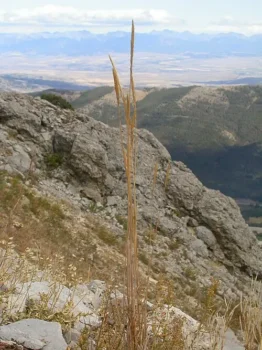
Spike trisetum is a native perennial grass that’s perfectly at home across much of North America. This resilient little grass forms neat bunches and reaches about 1.9 feet tall at maturity, making it an excellent choice for gardeners looking for something substantial but not overwhelming. Its delicate yellow flower spikes appear during spring and summer, creating a subtle but lovely display that complements rather than competes with showier garden plants.
Where Does It Naturally Grow?
This remarkable grass has one of the most impressive native ranges you’ll find. Spike trisetum calls home to an extensive territory spanning from Alaska and northern Canada all the way down to high-elevation areas in states like Colorado, New Mexico, and even North Carolina. You’ll find it thriving across the western mountains, throughout the Great Lakes region, and in northeastern states from Maine to Pennsylvania.
- Species observed
- No observations
Why Consider Spike Trisetum for Your Garden?
Here’s where spike trisetum really shines – it’s incredibly adaptable and tough as nails. This grass thrives in USDA hardiness zones 2 through 7, handling winter temperatures as low as -38°F. Talk about cold hardy! Its moderate growth rate means it won’t take over your garden, but it will steadily fill in to create attractive groundcover or accent plantings.
The plant’s bunch-forming growth habit creates neat, erect clumps with an attractive medium texture that works beautifully in:
- Rock gardens and alpine plantings
- Naturalistic landscapes
- Erosion control on slopes
- Native plant gardens
- Areas where you need something tough and reliable
Growing Conditions That Make It Happy
One of the best things about spike trisetum is its reasonable growing requirements. This grass actually prefers low-fertility soils (perfect for those challenging spots!), and once established, it has medium drought tolerance. It adapts well to fine-textured soils and can handle pH levels ranging from 4.9 to 7.5.
The plant does best with:
- Full sun to intermediate shade
- Well-draining soils (it’s not fond of waterlogged conditions)
- Areas receiving 12-50 inches of annual precipitation
- Locations with at least 90 frost-free days
Wetland Considerations
Spike trisetum’s relationship with moisture varies by region. In Alaska and the northcentral/northeast regions, it can handle both wetland and upland conditions. However, in most western and mountain areas, it strongly prefers upland sites and rarely occurs in wetlands. This flexibility makes it useful for transitional areas in your landscape.
Planting and Care Tips
Getting spike trisetum established is refreshingly straightforward. The plant is typically propagated by seed, and with about 2.5 million seeds per pound, a little goes a long way! Seeds are routinely available from native plant suppliers.
For best results:
- Direct seed in fall for natural cold stratification
- Expect moderate seedling vigor and slow spread
- Provide minimal fertilization (remember, it likes low fertility)
- Water during establishment, then let it tough it out
- Expect a short to moderate lifespan, but it may self-seed in favorable conditions
The Wildlife Connection
While spike trisetum may not be a pollinator magnet (it’s wind-pollinated like most grasses), it plays important ecological roles. The seeds provide food for birds, and the grass structure offers nesting material and shelter for small wildlife. In naturalistic plantings, it helps create the diverse plant communities that support a wide range of creatures.
Is Spike Trisetum Right for Your Garden?
If you’re looking for a reliable, native grass that can handle challenging conditions while adding subtle beauty to your landscape, spike trisetum deserves serious consideration. It’s particularly valuable for gardeners dealing with poor soils, cold climates, or areas where more finicky plants struggle to establish.
This isn’t a grass for formal, manicured landscapes, but it’s perfect for naturalistic designs, ecological restoration projects, or anywhere you need a tough, attractive native plant that won’t require babying. Plus, you’ll have the satisfaction of knowing you’re growing something that truly belongs in your local ecosystem.
Sometimes the most valuable plants aren’t the flashiest ones – they’re the steady, reliable performers that help create the backbone of a healthy, sustainable garden. Spike trisetum fits that bill perfectly.