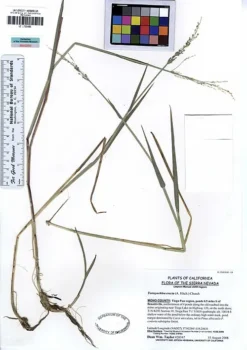
Spiked False Mannagrass: A Hidden Gem for Wetland Gardens
If you’re looking to create a thriving wetland garden or restore a boggy area on your property, you might want to get acquainted with spiked false mannagrass (Torreyochloa erecta). This unassuming native grass might not win any beauty contests, but it’s a champion when it comes to loving wet feet and supporting local ecosystems.
What is Spiked False Mannagrass?
Spiked false mannagrass is a perennial grass native to the western United States. You might also see it listed under its former scientific names, Glyceria erecta or Puccinellia erecta, in older gardening references. As a true graminoid, it belongs to the diverse family of grasses and grass-like plants that form the backbone of many natural ecosystems.
This hardy perennial has earned its place as a specialized wetland plant, thriving in conditions that would drown most other garden favorites. Its common name comes from its upright growth habit and the spike-like appearance of its seed heads.
Where Does It Call Home?
Spiked false mannagrass is a proud native of three western states: California, Nevada, and Oregon. If you’re gardening in these regions, you’re in luck – you can grow a plant that naturally belongs in your local ecosystem.
- Species observed
- No observations
Why Your Wetland Garden Needs This Grass
Here’s where spiked false mannagrass really shines: it’s what botanists call an obligate wetland plant. This means it almost always occurs in wetlands and has adapted specifically for life in soggy conditions. If you have a problem area in your yard that stays wet or you’re creating a rain garden, this grass could be your new best friend.
The benefits of adding this native grass to your landscape include:
- Excellent for erosion control along pond edges and streams
- Provides habitat structure for beneficial insects and small wildlife
- Requires no fertilizers or soil amendments once established
- Supports local ecosystem health as a native species
- Perfect for naturalized, low-maintenance landscape areas
What to Expect: Growth and Appearance
Don’t expect flashy flowers or dramatic foliage from spiked false mannagrass – its beauty lies in its subtle, natural form. This grass grows in dense, upright clumps with narrow leaves and produces delicate, spike-like seed heads that dance in the breeze. While specific height and width information varies, most wetland grasses in this family create modest clumps that blend beautifully with other native wetland plants.
Perfect Garden Settings
Spiked false mannagrass isn’t your typical border plant. Instead, consider it for these specialized garden situations:
- Rain gardens and bioswales
- Pond and water feature margins
- Wetland restoration projects
- Naturalized bog gardens
- Areas with seasonal flooding or poor drainage
Growing Conditions and Care
The secret to success with spiked false mannagrass is simple: keep it wet! This plant thrives in USDA hardiness zones 7-10, making it suitable for most areas within its native range.
Here are the key growing requirements:
- Moisture: Consistently wet to saturated soil – think bog conditions
- Light: Full sun to partial shade
- Soil: Any soil type, as long as it stays wet
- Maintenance: Minimal once established – just ensure consistent moisture
Planting and Care Tips
Getting started with spiked false mannagrass requires patience and the right conditions. Since specific propagation information can be limited, your best bet is to:
- Source plants from reputable native plant nurseries
- Plant in spring when soil temperatures are warming
- Ensure the planting site has reliable moisture year-round
- Be patient – native grasses often take a full season to establish
- Avoid fertilizers, which can harm native plants adapted to nutrient-poor conditions
Supporting Local Wildlife
While spiked false mannagrass is wind-pollinated rather than a pollinator magnet, it still plays an important role in supporting local wildlife. Native grasses provide crucial habitat structure for beneficial insects, nesting material for birds, and seeds for wildlife. By choosing native species like this one, you’re contributing to the health of your local ecosystem.
Is This Grass Right for Your Garden?
Spiked false mannagrass won’t work for everyone, and that’s perfectly fine! This specialized plant is ideal if you have consistently wet areas in your landscape or are specifically creating wetland habitat. However, if you’re looking for a drought-tolerant grass or something for dry garden beds, you’ll want to explore other native options.
For gardeners in California, Nevada, and Oregon with wet or seasonally flooded areas, spiked false mannagrass offers an authentic way to work with your site’s natural conditions while supporting local wildlife. Sometimes the best gardening approach is to embrace what your land naturally wants to grow – and for wet spots in the western states, that just might include this humble but hardworking native grass.