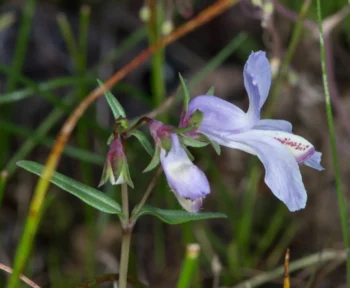
Spinster’s Blue Eyed Mary: A Charming California Native Wildflower
Meet one of California’s lesser-known wildflower gems: spinster’s blue eyed Mary (Collinsia sparsiflora var. arvensis). This delightful annual native might not be the showiest flower in the garden, but it brings a subtle charm and important ecological benefits that make it worth considering for your native plant landscape.
What Makes This Plant Special?
Spinster’s blue eyed Mary is a native California forb – essentially a non-woody flowering plant that completes its entire life cycle in one growing season. As an annual, it germinates, grows, flowers, sets seed, and dies all within a single year, making it a perfect addition to wildflower mixes and naturalized areas.
This plant is exclusively native to California, where it originally grew in grasslands and open areas throughout the state. Its native status means it’s perfectly adapted to California’s unique climate and plays an important role in supporting local ecosystems.
- Species observed
- No observations
Garden Appeal and Landscape Role
Don’t expect dramatic, showy blooms from spinster’s blue eyed Mary. Instead, this plant offers delicate, snapdragon-like flowers in soft blues and whites that provide a gentle backdrop for more prominent wildflowers. The modest beauty of these small flowers is part of their charm – they create a naturalistic, meadow-like appearance that’s perfect for:
- Native plant gardens
- Wildflower meadows
- Naturalized landscapes
- Areas where you want a soft, informal look
A Note About Rarity
Before you rush to plant spinster’s blue eyed Mary, it’s important to know that this variety has a conservation status that suggests it may be somewhat uncommon in the wild. If you choose to grow this plant, make sure you source seeds or plants from reputable native plant nurseries that collect responsibly and don’t impact wild populations.
Growing Conditions and Care
One of the best things about native plants is how well-adapted they are to local conditions, and spinster’s blue eyed Mary is no exception. This low-maintenance annual thrives in:
- Full sun to partial shade locations
- Well-draining soils (it doesn’t like wet feet!)
- USDA hardiness zones 8-10, which covers most of California
- Low-water conditions once established
Planting and Care Tips
Growing spinster’s blue eyed Mary is refreshingly simple:
- Direct seed in fall for spring blooms – this mimics natural growing patterns
- Scatter seeds in prepared soil and lightly rake them in
- Water gently until germination occurs
- Once established, minimal watering is needed
- Allow plants to go to seed naturally to encourage self-seeding for next year
Wildlife and Pollinator Benefits
While small in stature, spinster’s blue eyed Mary punches above its weight when it comes to supporting local wildlife. The flowers attract native bees and other small pollinators, providing nectar and pollen resources during its blooming season. As a native plant, it’s also part of the natural food web that supports California’s native insects and the birds that depend on them.
Should You Plant Spinster’s Blue Eyed Mary?
This charming native is perfect if you’re looking to create a naturalistic California landscape with authentic native plants. It’s ideal for gardeners who appreciate subtle beauty over flashy displays and want to support local ecosystems. However, given its conservation status, make sure you’re obtaining seeds or plants from responsible sources.
Consider spinster’s blue eyed Mary as part of a diverse native wildflower mix rather than a standalone planting. Its gentle presence will complement showier natives while providing important habitat value and authentic California character to your garden.