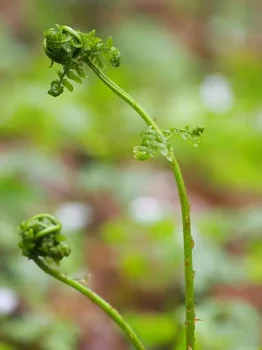
Spinulose Woodfern: A Delicate Native Beauty for Your Shade Garden
If you’ve ever wandered through a cool, shaded forest and admired those graceful, lacy green fronds carpeting the woodland floor, you’ve likely encountered the spinulose woodfern (Dryopteris carthusiana). This charming native fern brings that same woodland magic to your home garden, creating elegant textural displays in even the shadiest corners of your landscape.
What Is Spinulose Woodfern?
The spinulose woodfern is a perennial fern that’s perfectly at home in North America’s woodlands. You might also see it listed under its synonyms Dryopteris spinulosa or Dryopteris austriaca var. spinulosa in older gardening references. As its name suggests, this fern has distinctly spiny or spinulose features on its fronds that help distinguish it from its woodland cousins.
Botanically speaking, this is a forb – a vascular plant without woody tissue that dies back to the ground each winter, only to emerge fresh and green again each spring. Don’t let that technical description fool you though; there’s nothing boring about this graceful woodland dweller!
Where Does It Call Home?
Talk about a well-traveled native! Spinulose woodfern has one of the most impressive natural ranges of any North American fern. This adaptable beauty is native to Canada, the lower 48 states, and even St. Pierre and Miquelon. You can find it growing wild from Alberta to Newfoundland, and from Washington state all the way down to Georgia and South Carolina.
It’s particularly common throughout the Midwest, Northeast, and much of Canada, though it does have some interesting gaps in its distribution – you won’t find it naturally occurring in places like California, Nevada, or most of the Southwest.
- Species observed
- No observations
A Rare Gem in Some Areas
While spinulose woodfern is common throughout most of its range, it’s worth noting that in Arkansas, this fern has a rarity status of S1, meaning it’s critically imperiled in that state. If you’re gardening in Arkansas and want to grow this beauty, make sure you source your plants responsibly from reputable native plant nurseries rather than collecting from the wild.
Why Your Garden Will Love This Fern
Spinulose woodfern brings several wonderful qualities to the home landscape:
- Elegant texture: The delicate, lacy fronds create beautiful contrast against broader-leafed shade plants
- Seasonal interest: Fresh green fronds emerge in spring, sometimes with attractive bronze tints
- Natural woodland feel: Perfect for creating authentic native woodland gardens
- Wildlife habitat: Provides shelter and structure for small woodland creatures
- Low maintenance: Once established, requires minimal care
Where to Plant Your Spinulose Woodfern
This fern is incredibly versatile when it comes to garden styles and locations:
- Woodland gardens: Naturalize under trees for an authentic forest floor look
- Shade gardens: Excellent companion to hostas, wild ginger, and other shade perennials
- Native plant gardens: A must-have for authentic regional plantings
- Bog or rain gardens: Thrives in consistently moist conditions
- Naturalized areas: Perfect for low-maintenance, natural-looking plantings
Growing Conditions and Care
The spinulose woodfern is quite adaptable, but it does have some preferences that will help it thrive:
Light: Partial to full shade – this fern actually prefers the shadier spots in your garden where other plants might struggle.
Soil: Prefers moist, well-draining soil that’s slightly acidic. It can handle various soil types but really shines in rich, organic woodland soil.
Water: Consistent moisture is key – this fern doesn’t like to dry out completely, though it’s not quite as water-dependent as some other woodland species.
Hardiness: Tough as nails! This fern is hardy in USDA zones 3-8, making it suitable for most temperate North American gardens.
Wetland Adaptability
One of the most interesting things about spinulose woodfern is its flexibility when it comes to moisture levels. Depending on your region, this fern can be quite adaptable:
- In some areas, it’s considered facultative, meaning it can grow in both wetland and non-wetland conditions
- In other regions, it’s facultative wetland, meaning it usually prefers wetter conditions but can tolerate drier sites
- This adaptability makes it an excellent choice for gardens with varying moisture conditions
Planting and Care Tips
Getting your spinulose woodfern established is straightforward:
- Plant in spring: Give it the full growing season to establish
- Mulch well: A layer of organic mulch helps retain moisture and suppress weeds
- Be patient: Ferns can be slow to establish, but they’re worth the wait
- Spring cleanup: Remove old, brown fronds in late winter or early spring to make way for new growth
- Consistent moisture: Water during dry spells, especially in the first year
The Bottom Line
Spinulose woodfern is a fantastic choice for gardeners looking to create authentic native woodland plantings or simply add elegant texture to shaded areas. Its wide native range means it’s likely well-suited to your local conditions, and its adaptability makes it forgiving for beginning gardeners. While it won’t provide nectar for pollinators like flowering plants do, it offers valuable habitat structure and that indefinable wild quality that makes gardens feel connected to the natural world.
Whether you’re naturalizing a shaded slope, creating a woodland path, or just looking for something special to fill that tricky dark corner, spinulose woodfern delivers beauty, authenticity, and easy care in one graceful package.