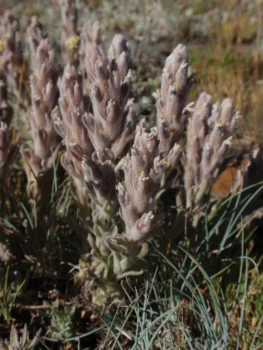
Splithair Indian Paintbrush: A Rare West Coast Native Worth Protecting
If you’re looking to add a splash of fiery color to your Pacific Coast native garden, the splithair Indian paintbrush (Castilleja schizotricha) might just be the perfect choice. This striking perennial brings all the classic charm of the beloved Indian paintbrush family, but with a conservation story that makes growing it both rewarding and responsible.
Meet the Splithair Indian Paintbrush
The splithair Indian paintbrush is a native perennial forb that calls the West Coast home. Like other members of the Indian paintbrush family, this herbaceous beauty produces those iconic tubular flowers that look like they’ve been dipped in bright paint. The splithair part of its name refers to the distinctive split or divided bracts that surround its flowers, giving it a unique texture among its paintbrush cousins.
This native wildflower is found exclusively in California and Oregon, making it a true regional treasure for Pacific Coast gardeners.
- Species observed
- No observations
Why Consider This Rare Beauty?
Here’s where things get interesting – and important. The splithair Indian paintbrush has a Global Conservation Status of S3, meaning it’s considered vulnerable. With only 21 to 100 known occurrences and an estimated 3,000 to 10,000 individuals in the wild, this isn’t your run-of-the-mill garden plant.
Should you grow it? Absolutely – but with a big caveat. If you’re in California or Oregon and want to cultivate this rare native, make sure you source it responsibly. Never collect from the wild, and only purchase from reputable native plant nurseries that propagate their own stock.
Garden Appeal and Landscape Role
When it comes to aesthetics, splithair Indian paintbrush delivers that classic wildflower magic. Its bright red-orange tubular flowers create stunning displays from spring through early summer, adding vertical interest and bold color to native plant gardens. The plant works beautifully in:
- Native wildflower gardens
- Wildlife and pollinator gardens
- Naturalized meadow areas
- Xeriscaped landscapes
- Restoration projects
A Pollinator’s Paradise
Those eye-catching tubular flowers aren’t just for show – they’re perfectly designed to attract hummingbirds and native bees. The bright colors and nectar-rich blooms make this plant a valuable addition to any pollinator-friendly garden, especially in its native range where local wildlife have co-evolved with it.
Growing Conditions and Care
Like many California and Oregon natives, splithair Indian paintbrush prefers well-drained soils and can handle full sun to partial shade. Once established, it’s quite drought-tolerant, making it perfect for water-wise gardens. The plant typically thrives in USDA hardiness zones 7-9.
Here’s the tricky part (and why this plant can be challenging for beginners): Indian paintbrush species are hemiparasitic. This means they supplement their nutrition by tapping into the roots of nearby host plants, particularly grasses and other wildflowers. In cultivation, they often do best when planted near suitable companion plants rather than in isolation.
Planting and Propagation Tips
Growing splithair Indian paintbrush requires a bit of patience and planning:
- Direct seeding is often more successful than transplanting
- Plant seeds in fall for natural stratification
- Ensure good drainage – soggy soils are a no-go
- Include companion plants like native grasses
- Minimal watering once established
- Avoid fertilizers, which can harm this adapted native
The Bottom Line
The splithair Indian paintbrush is a stunning native that deserves a place in West Coast gardens – but only when sourced responsibly. Its vulnerable status means every plant grown in cultivation could potentially contribute to conservation efforts. If you’re in California or Oregon and up for the challenge of growing a somewhat finicky but absolutely gorgeous native, this rare paintbrush could be your next garden adventure.
Just remember: with great beauty comes great responsibility. Choose your sources carefully, and you’ll be helping protect this precious piece of West Coast natural heritage while enjoying its fiery blooms in your own backyard.