Spotless Balm: A Critically Endangered Florida Native Worth Protecting
Meet spotless balm (Dicerandra immaculata), one of Florida’s rarest botanical treasures and a plant that desperately needs our help. This small but mighty member of the mint family might not be flashy, but it plays an outsized role in Florida’s unique scrub ecosystem—and it’s teetering on the brink of extinction.
What Makes Spotless Balm Special?
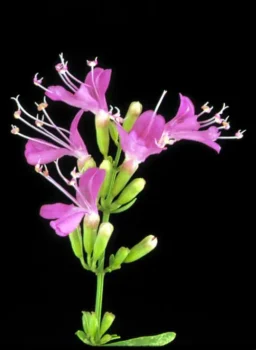
Spotless balm is a low-growing perennial forb that brings subtle beauty to the landscape. True to its mint family heritage, this herbaceous plant produces clusters of small, delicate white to pale pink flowers that emit a pleasant, aromatic fragrance when brushed against. The plant stays compact and close to the ground, making it an excellent candidate for specialized native gardens.
What really sets spotless balm apart isn’t just its appearance—it’s its incredible rarity. With a global conservation status of S1 (Critically Imperiled) and listed as Endangered in the United States, this plant is hanging on by a thread with typically fewer than 1,000 individuals remaining in the wild.
Where Does Spotless Balm Call Home?
Spotless balm is endemic to Florida, meaning you won’t find it growing naturally anywhere else on Earth. This makes every single plant incredibly precious. Within Florida, it’s found in the state’s unique scrub habitats, particularly in central regions where sandy soils and specific environmental conditions create the perfect home for this rare species.
- Species observed
- No observations
The Conservation Challenge
Here’s where things get serious: spotless balm is critically endangered, and planting it comes with significant responsibility. If you’re considering adding this rare beauty to your garden, you must—and we cannot stress this enough—only obtain plants or seeds from reputable, conservation-minded sources that can verify the material wasn’t collected from wild populations.
Wild collection of this species could push it closer to extinction, so responsible sourcing is absolutely critical.
Growing Spotless Balm: Not for Beginners
Spotless balm isn’t your typical garden plant, and it shouldn’t be treated like one. This species has very specific requirements that mirror its native scrub habitat:
- Soil: Well-draining sandy soils are essential—think Florida scrub not garden bed
- Sunlight: Full sun to partial shade
- Water: Drought tolerant once established; avoid overwatering
- Climate: USDA hardiness zones 9-11 (Florida climate only)
- Soil pH: Prefers acidic conditions
Care and Maintenance
The key to success with spotless balm is restraint. This plant evolved in nutrient-poor soils, so skip the fertilizers—they’ll likely do more harm than good. Once established, it’s quite drought tolerant, so water sparingly. The most important care tip? Protect it from foot traffic and disturbance, as every plant is precious given its endangered status.
Wildlife and Pollinator Benefits
Despite its rarity, spotless balm punches above its weight when it comes to supporting wildlife. As a member of the mint family, it attracts native bees, butterflies, and other small pollinators that depend on native plants for survival. By growing spotless balm, you’re not just adding a plant to your garden—you’re participating in conservation efforts that support entire ecosystems.
Should You Plant Spotless Balm?
This is a plant for the serious native plant enthusiast who understands the responsibility that comes with growing critically endangered species. If you can provide the specialized growing conditions it needs and can source plants responsibly, spotless balm offers a unique opportunity to participate in conservation while enjoying a truly rare botanical specimen.
However, if you’re new to native gardening or looking for easier options, consider starting with more common Florida natives that can provide similar benefits without the conservation concerns. You can always work your way up to more challenging species like spotless balm as your skills and knowledge grow.
Remember: with great rarity comes great responsibility. Every spotless balm plant is a living piece of Florida’s natural heritage, deserving of our utmost care and protection.