Spotted Phacelia: A Hidden Gem for Southern Native Plant Gardens
If you’re looking to add a touch of delicate beauty to your native plant garden while supporting local wildlife, spotted phacelia might just be the perfect addition. This charming little wildflower brings subtle elegance and important ecological benefits to gardens across the southeastern United States.
Meet the Spotted Phacelia
Spotted phacelia (Phacelia maculata) is a native annual forb that belongs to the waterleaf family. As a forb, it’s an herbaceous flowering plant without woody stems – think of it as nature’s version of a delicate cottage garden flower, but with serious native credentials. You might occasionally see it listed under its synonym Phacelia dubia var. fallax, but don’t let the botanical names intimidate you – this is simply a lovely little wildflower that deserves more attention.
Where Does Spotted Phacelia Call Home?
This southeastern native has a relatively limited range, naturally occurring in Alabama, Georgia, Mississippi, North Carolina, and South Carolina. It’s perfectly adapted to the climate and growing conditions of these states, making it an excellent choice for gardeners looking to support their local ecosystem.
- Species observed
- No observations
Why Grow Spotted Phacelia?
There are several compelling reasons to consider adding spotted phacelia to your garden:
- Native pollinator support: The small, tubular flowers are perfectly sized for native bees, butterflies, and other beneficial insects
- Low maintenance: As an annual adapted to local conditions, it typically requires minimal care once established
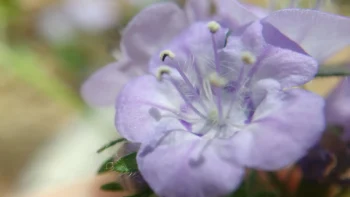
- Unique beauty: The spotted petals and delicate blue to purple blooms add subtle charm to any native plant collection
- Conservation value: Supporting native plants helps maintain local biodiversity
Important Conservation Note
Before you rush to plant spotted phacelia, there’s something important to know: this species has a conservation status of S3S4, indicating that its populations may be of some concern. This means that while it’s wonderful to grow, you should only source seeds or plants from reputable native plant nurseries that use responsibly collected materials. Never collect seeds or plants from wild populations – instead, support conservation efforts by purchasing from ethical sources.
Growing Spotted Phacelia Successfully
The good news is that spotted phacelia is relatively easy to grow when you provide the right conditions. Here’s what you need to know:
Growing Conditions
- Light: Partial shade to full sun
- Soil: Well-draining soil with moderate fertility
- Moisture: Moderate water needs – not too wet, not too dry
- USDA Zones: 6-9 (matches its native range)
Planting and Care Tips
- Direct seed in fall for spring germination, or start seeds indoors in late winter
- Scatter seeds on prepared soil surface and lightly rake in
- Keep soil consistently moist during germination
- Once established, spotted phacelia typically self-seeds for future years
- Minimal fertilization needed – native plants prefer lean conditions
Perfect Garden Settings
Spotted phacelia shines in several garden types:
- Woodland gardens: Its preference for partial shade makes it perfect for woodland edges
- Native plant gardens: An excellent choice for purists focusing on indigenous species
- Pollinator gardens: Small but mighty when it comes to supporting beneficial insects
- Naturalized areas: Let it self-seed in informal, wild-looking spaces
The Bottom Line
Spotted phacelia may not be the showiest flower in your garden, but it more than makes up for its subtle appearance with its ecological value and easy-going nature. If you live within its native range and can source it responsibly, this little annual deserves a spot in your native plant collection. Just remember to buy from reputable sources and let this charming wildflower help you create a garden that’s both beautiful and beneficial to local wildlife.
By choosing native plants like spotted phacelia, you’re not just creating a lovely garden – you’re participating in conservation efforts and supporting the intricate web of life that makes our southeastern ecosystems so special.