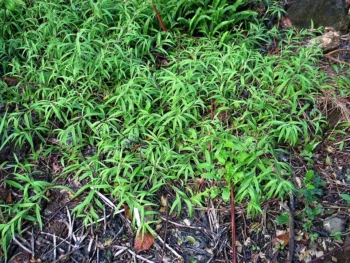
Sprawling Schiedea: A Rare Hawaiian Treasure Worth Protecting
Meet sprawling schiedea (Schiedea hookeri), one of Hawaii’s most endangered native plants that’s as elusive as it is important. This delicate perennial forb represents both the incredible biodiversity of the Hawaiian Islands and the urgent need for plant conservation efforts.
What Makes Sprawling Schiedea Special?
Sprawling schiedea is a native Hawaiian forb – essentially an herbaceous plant without woody stems that stays low to the ground. Unlike shrubs or trees, this perennial puts its energy into soft, green growth that emerges fresh each growing season. As its common name suggests, it has a sprawling growth habit that helps it navigate the challenging cliff-side environments where it naturally occurs.
Where Does It Call Home?
This rare beauty is endemic to Hawaii, meaning it exists nowhere else on Earth. You’ll find sprawling schiedea clinging to life on steep volcanic cliffs and rocky outcrops throughout the Hawaiian Islands, where it has adapted to some pretty tough growing conditions over thousands of years.
- Species observed
- No observations
A Plant in Crisis
Here’s where things get serious: sprawling schiedea has a Global Conservation Status of S1, which translates to Critically Imperiled. In plain English, this means the species is hanging on by a thread, with typically fewer than 1,000 individuals remaining in the wild. It’s also listed as Endangered, making it one of Hawaii’s most at-risk native plants.
This rarity status means that if you’re considering adding sprawling schiedea to your garden, you’ll need to proceed very carefully and responsibly.
Growing Sprawling Schiedea: Proceed with Caution
Before we dive into growing tips, let’s address the elephant in the room: this isn’t your typical garden center purchase. Due to its endangered status, sprawling schiedea requires special consideration and likely permits for cultivation.
If You’re Determined to Grow It:
- Source responsibly: Only obtain plants or seeds through legitimate conservation programs or certified native plant nurseries
- Check regulations: Contact Hawaii’s Department of Land and Natural Resources about permits and guidelines
- Replicate natural conditions: Provide well-draining, rocky soil similar to its cliff-side habitat
- Climate considerations: Suitable for USDA zones 10-11 (think tropical and subtropical climates)
- Light requirements: Partial shade to full sun, depending on your specific microclimate
Garden Role and Landscape Uses
In the right setting, sprawling schiedea can serve as:
- A conversation starter about Hawaiian conservation efforts
- An educational component in native plant gardens
- A specialized addition to rock gardens that mimic Hawaiian cliff environments
- Part of a broader native Hawaiian plant collection
Supporting Conservation Without Growing It
Honestly, the best way most of us can help sprawling schiedea is by supporting its conservation rather than trying to grow it ourselves. Consider:
- Donating to Hawaiian native plant conservation organizations
- Learning about and sharing information about Hawaii’s endangered flora
- Choosing other native Hawaiian plants that are more abundant and easier to source ethically
- Supporting habitat protection efforts in Hawaii
The Bottom Line
Sprawling schiedea represents the delicate balance between our desire to connect with rare, beautiful plants and our responsibility to protect critically endangered species. While this Hawaiian endemic is undoubtedly fascinating, its precarious conservation status means that admiring it from afar – and supporting its protection in the wild – might be the most loving thing we can do.
If you’re passionate about Hawaiian native plants, consider exploring more abundant species that can satisfy your gardening desires while leaving the rarest treasures like sprawling schiedea to the conservation experts who are working tirelessly to ensure its survival for future generations.