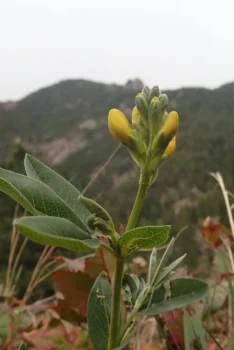
Spreadfruit Goldenbanner: A Rocky Mountain Wildflower Gem for Your Native Garden
If you’re looking to add a splash of sunshine to your native plant garden while supporting local wildlife, meet spreadfruit goldenbanner (Thermopsis divaricarpa). This cheerful Rocky Mountain native might not be the flashiest plant at the garden center, but it’s exactly the kind of unsung hero that makes native gardening so rewarding.
What is Spreadfruit Goldenbanner?
Spreadfruit goldenbanner is a perennial forb – essentially a non-woody flowering plant that comes back year after year. Don’t let the technical term fool you; this is simply a hardy herbaceous perennial that produces lovely yellow flowers and attractive three-leaflet foliage. As a member of the legume family, it even helps improve soil fertility by fixing nitrogen – talk about a team player!
You might also encounter this plant listed under several scientific synonyms in older references, including Thermopsis montana var. divaricarpa or Thermopsis pinetorum, but Thermopsis divaricarpa is the currently accepted name.
Where Does It Grow Naturally?
This golden beauty calls the American West home, specifically thriving in Colorado, Montana, New Mexico, and Wyoming. It’s perfectly adapted to the challenging conditions of the Rocky Mountain region and adjacent high plains, where it has learned to handle everything from intense sun to chilly mountain winters.
- Species observed
- No observations
Why Plant Spreadfruit Goldenbanner?
Here’s where this plant really shines in the garden:
- Stunning spring display: Bright yellow pea-like flowers arranged in showy terminal clusters bloom from late spring through early summer
- Pollinator magnet: Native bees, butterflies, and other beneficial insects flock to these nectar-rich flowers
- Low maintenance: Once established, it’s remarkably drought tolerant and requires minimal care
- Soil improvement: As a legume, it naturally fixes nitrogen, actually improving your soil over time
- Adaptable: Handles both wetland and non-wetland conditions, making it versatile for various garden situations
Perfect Garden Situations
Spreadfruit goldenbanner absolutely excels in:
- Native plant and wildflower gardens
- Prairie restoration projects
- Xeriscape and low-water landscaping
- Naturalized areas and meadow gardens
- Pollinator gardens focused on native species
It’s particularly valuable in gardens designed to showcase regional native flora or in landscapes where you want that authentic high country meadow feeling.
Growing Conditions and Care
The best news? Spreadfruit goldenbanner is refreshingly easy to grow if you can provide its preferred conditions:
Sunlight: Full sun to partial shade, though it flowers best with plenty of sunshine
Soil: Well-drained soils of various types – it’s not particularly fussy about soil composition as long as water doesn’t sit around the roots
Water: Drought tolerant once established, but appreciates occasional deep watering during dry spells
Climate: Hardy in USDA zones 3-7, making it suitable for most mountain and northern plain regions
Planting and Establishment Tips
Getting spreadfruit goldenbanner established is straightforward:
- Direct seed in fall or early spring when temperatures are cool
- Plant seeds about ¼ inch deep in prepared soil
- Keep soil consistently moist during germination
- Once established (usually by the second season), reduce watering frequency
- Be patient – like many native perennials, it may take a couple seasons to really hit its stride
Since it can spread by underground rhizomes, give it room to naturalize, or be prepared to manage its spread if you prefer tighter garden control.
A Few Things to Keep in Mind
While spreadfruit goldenbanner is generally well-behaved, remember that it’s naturally adapted to specific regional conditions. It performs best within or near its native range of Colorado, Montana, New Mexico, and Wyoming. Gardeners outside these areas might find better success with their own regional native alternatives.
Also, as with many native wildflowers, it has its own timeline – don’t expect the instant gratification of hybrid annuals. Instead, enjoy watching it settle in and become a permanent, self-sustaining part of your garden ecosystem.
The Bottom Line
Spreadfruit goldenbanner offers that perfect combination of beautiful flowers, ecological benefits, and low-maintenance growing that makes native gardening so satisfying. If you’re in its native range and want to create authentic regional habitat while enjoying cheerful yellow blooms each spring, this Rocky Mountain wildflower deserves a spot in your garden. Your local pollinators will definitely thank you for it!