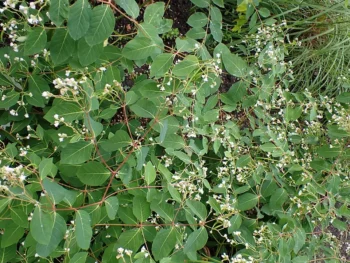
Spreading Dogbane: A Native Groundcover That Knows No Boundaries
Meet spreading dogbane (Apocynum androsaemifolium), a native North American perennial that’s equal parts charming and assertive. This hardy forb offers delicate pink flowers and serves as a valuable wildlife plant, but it comes with a personality that’s definitely worth understanding before you invite it into your garden.
What Is Spreading Dogbane?
Spreading dogbane is a native perennial forb that belongs to the dogbane family. As its common name suggests, this plant has a knack for spreading – and it does so with enthusiasm through underground rhizomes. The plant produces small, fragrant, bell-shaped flowers that range from pink to white during the summer months, followed by distinctive long, slender seed pods that split open to reveal silky-haired seeds.
Where Does It Call Home?
This adaptable native has one of the most impressive geographic ranges you’ll find in North American flora. Spreading dogbane naturally occurs from Alaska down through Canada and across virtually the entire continental United States. You’ll find it thriving from the Atlantic to Pacific coasts, making it truly a continent-spanning species.
- Species observed
- No observations
However, there’s an important note for Arkansas gardeners: spreading dogbane has a rarity status of S1 in that state, meaning it’s critically imperiled. If you’re in Arkansas and want to grow this plant, make sure you source it responsibly from reputable native plant nurseries rather than collecting from wild populations.
The Good, The Beautiful, and The Spready
Let’s start with the positives – and there are many! Spreading dogbane offers several attractive qualities:
- Delicate, fragrant flowers that attract butterflies, bees, and other beneficial insects
- Excellent drought tolerance once established
- Thrives in poor soils where other plants struggle
- Hardy across a wide range of climates (USDA zones 2-8)
- Provides valuable habitat and food sources for wildlife
The flip side? This plant lives up to its spreading name with gusto. Through its underground rhizome system, it can form extensive colonies over time. While this makes it fantastic for naturalizing large areas or preventing erosion, it might not be the best choice for small, formal gardens where you want plants to stay put.
Where Does Spreading Dogbane Shine?
This native excels in naturalistic settings where its spreading habit becomes an asset rather than a challenge:
- Prairie gardens and meadow restorations
- Woodland edges and natural areas
- Slopes needing erosion control
- Large-scale native plant installations
- Areas where you want low-maintenance groundcover
Growing Conditions: Easy Does It
One of spreading dogbane’s best qualities is its adaptability. This plant prefers well-drained soils but tolerates a range of conditions from full sun to partial shade. It’s particularly valuable because it thrives in poor soils where many other plants would struggle.
From a wetland perspective, spreading dogbane typically prefers upland conditions – it’s classified as obligate upland in most regions, meaning it almost never occurs in wetlands. However, in some areas like the Eastern Mountains and Western regions, it can occasionally tolerate slightly wetter conditions.
Planting and Care Tips
Growing spreading dogbane successfully is refreshingly straightforward:
- Planting: Start with nursery-grown plants or responsibly sourced seeds. Spring planting works well.
- Spacing: Give it room to spread – remember, it will naturally form colonies over time.
- Watering: Water regularly the first year to establish, then let nature take over. It’s quite drought tolerant.
- Maintenance: Very low maintenance once established. You may need to manage its spread in smaller spaces.
- Management: If you need to control its spread, create barriers or regularly remove runners extending beyond desired areas.
Wildlife Benefits
Spreading dogbane pulls its weight in supporting local ecosystems. The flowers provide nectar for various pollinators, including butterflies and native bees. The plant also serves as a host for certain butterfly and moth larvae, making it valuable for supporting the complete life cycles of these important pollinators.
Should You Plant It?
Spreading dogbane is an excellent choice if you’re looking for a tough, native groundcover for naturalistic gardens, prairie restorations, or areas where you want plants that can take care of themselves. Its pollinator value and adaptability make it a valuable addition to wildlife-friendly landscapes.
However, think carefully about placement. This isn’t a plant for small perennial borders or areas where you need precise control. If you’re in Arkansas, make sure you source plants responsibly due to its rarity status in that state.
For the right situation and gardener, spreading dogbane offers the perfect combination of native heritage, wildlife value, and low-maintenance beauty. Just be prepared for a plant that truly embodies the spreading part of its name!