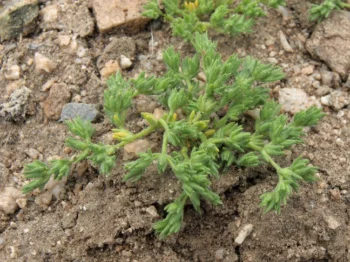
Spreading Pygmyleaf: A Rare Western Native Worth Knowing
If you’re passionate about native plants and love discovering botanical treasures, you might be intrigued by spreading pygmyleaf (Loeflingia squarrosa artemisiarum). This diminutive annual is one of those plants that flies under the radar—literally and figuratively—but deserves a spot in our conversation about western native flora.
What Is Spreading Pygmyleaf?
Spreading pygmyleaf is a small annual forb, which simply means it’s a non-woody flowering plant that completes its entire life cycle in one growing season. As its name suggests, this little plant has a spreading growth habit and tiny leaves that give it an almost moss-like appearance from a distance. It belongs to the pink family (Caryophyllaceae) and is sometimes listed under the synonym Loeflingia squarrosa var. artemisiarum.
Where Does It Grow Naturally?
This native gem calls the western United States home, specifically California, Oregon, and Wyoming. It’s adapted to the unique climate and soil conditions of these regions, making it a true western specialist.
- Species observed
- No observations
Should You Plant Spreading Pygmyleaf?
Here’s where things get interesting—and a bit complicated. While spreading pygmyleaf is undeniably native and ecologically valuable, it comes with a significant caveat: it’s quite rare. Its global conservation status is listed as S5T2T3, indicating it has limited distribution and may be vulnerable in parts of its range.
The Rarity Factor
Before you get excited about adding this plant to your native garden, it’s important to understand that spreading pygmyleaf isn’t your typical garden center find. Its rarity means that if you’re interested in growing it, you’ll need to source seeds or plants responsibly. This means:
- Never collect from wild populations
- Only purchase from reputable native plant nurseries
- Ensure any seeds or plants come from ethical, sustainable sources
- Consider whether there are more common native alternatives that would serve your garden’s needs
Growing Conditions and Care
Unfortunately, specific cultivation information for spreading pygmyleaf is limited in horticultural literature. What we do know is that as a western native annual, it’s likely adapted to:
- Well-draining soils
- Lower water requirements once established
- The climate patterns of California, Oregon, and Wyoming
- Natural precipitation cycles of its native regions
If you’re determined to try growing this species, your best bet would be to mimic the conditions of its natural habitat as closely as possible.
Garden Role and Alternatives
Given its small size and specialized nature, spreading pygmyleaf would likely work best in a dedicated native plant collection, rock garden, or naturalized area rather than a formal landscape setting. However, unless you’re a serious native plant enthusiast or researcher, you might want to consider more readily available native alternatives that offer similar ecological benefits without the rarity concerns.
The Bottom Line
Spreading pygmyleaf is a fascinating piece of western American flora that deserves our respect and protection. While it’s not invasive or problematic, its rarity status means it’s probably not the best choice for most home gardeners. If you’re passionate about rare natives and can source plants or seeds responsibly, it could be an interesting addition to a specialized collection. Otherwise, consider supporting this species by protecting its natural habitat and choosing more common native plants for your garden that can provide similar ecological benefits without contributing to pressure on rare populations.
Sometimes the most meaningful way to appreciate a rare plant is simply knowing it exists and working to protect the wild spaces where it thrives naturally.