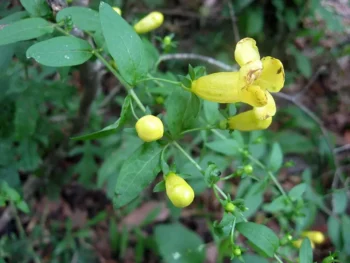
Spreading Yellow False Foxglove: A Rare Native Gem Worth Protecting
If you’re drawn to unique native wildflowers that add a splash of golden color to late-season gardens, you might be intrigued by spreading yellow false foxglove (Aureolaria patula). This distinctive perennial brings both beauty and botanical intrigue to the right garden setting, though it comes with some important considerations for conservation-minded gardeners.
What Makes This Plant Special
Spreading yellow false foxglove is a native perennial that produces cheerful yellow, trumpet-shaped flowers from late summer into fall—a time when many other wildflowers are winding down for the season. The blooms are particularly welcome for their timing, providing nectar when pollinators need it most before winter arrives.
You might also encounter this plant under its scientific name Aureolaria patula, or its historical synonyms Dasistoma patula or Gerardia patula, though these older names are less commonly used today.
Native Range and Distribution
This plant is truly a southeastern native, naturally occurring in Alabama, Georgia, Kentucky, and Tennessee. It’s perfectly adapted to the growing conditions and ecosystems of these states, making it an excellent choice for gardeners wanting to support local biodiversity.
- Species observed
- No observations
Important Conservation Considerations
Here’s where things get serious: spreading yellow false foxglove is considered vulnerable, with a global conservation status of S3. This means it’s rare throughout its range, with typically only 21 to 100 occurrences worldwide. In Alabama, it’s even rarer with an S1 status, indicating it’s critically imperiled in that state.
If you’re interested in growing this plant, it’s crucial to source it responsibly. Never collect from wild populations, and only purchase from reputable native plant nurseries that propagate their stock rather than wild-collecting. Better yet, consider participating in conservation efforts or seed collection programs that help protect existing populations.
The Growing Challenge: A Parasitic Lifestyle
Here’s where spreading yellow false foxglove gets really interesting (and tricky to grow): it’s what botanists call a root parasite. This means it survives by tapping into the root systems of nearby trees and shrubs to steal nutrients and water. Pretty sneaky, right?
This parasitic lifestyle makes the plant notoriously difficult to cultivate in typical garden settings. You can’t just pop it into a flower bed and expect it to thrive—it needs host plants to survive, typically woody species like oaks or other native trees.
Garden Role and Landscape Use
When it does establish successfully, spreading yellow false foxglove works beautifully in:
- Naturalized woodland gardens
- Native plant restoration projects
- Woodland edges and clearings
- Areas where you want to support late-season pollinators
It’s not a plant for formal flower borders or manicured landscapes, but rather one that shines in more natural, ecological garden settings.
Growing Conditions and Care
Spreading yellow false foxglove is hardy in USDA zones 6-9, covering much of its native southeastern range. In the wild, it typically grows in partial shade to dappled sunlight, often at woodland edges where it can access both light and its preferred host trees.
The plant prefers well-draining soils and, thanks to its parasitic nature, doesn’t require rich, fertile conditions like many garden plants. In fact, it’s adapted to succeed in relatively poor soils where it can supplement its nutrition through its host relationships.
Pollinator and Wildlife Benefits
Despite its parasitic tendencies, spreading yellow false foxglove is a valuable pollinator plant. Its bright yellow flowers attract bees, butterflies, and other beneficial insects during the late summer and fall blooming period. This timing makes it particularly valuable, as it provides nectar when many other native flowers have finished blooming for the season.
Should You Plant It?
The honest answer is: probably not in a typical home garden setting. The combination of its parasitic growing requirements and vulnerable conservation status makes it a challenging choice for most gardeners. However, if you:
- Have a large, naturalized property with established native trees
- Are involved in habitat restoration projects
- Can source plants from ethical propagation programs
- Want to contribute to conservation efforts
Then spreading yellow false foxglove might be worth considering. Just remember that success isn’t guaranteed, and you’ll be working with a plant that has very specific ecological needs.
Alternative Native Options
If you love the idea of late-season yellow wildflowers but want something more garden-friendly, consider these native alternatives that provide similar aesthetic appeal without the growing challenges:
- Wild bergamot (Monarda fistulosa)
- Partridge pea (Chamaecrista fasciculata)
- Wild senna (Senna hebecarpa)
- Goldenrod species (Solidago spp.)
These alternatives will give you gorgeous native flowers that pollinators love, without the conservation concerns and growing difficulties of spreading yellow false foxglove.
The Bottom Line
Spreading yellow false foxglove is a fascinating example of nature’s complexity and ingenuity. While it may not be the right choice for most home gardens, understanding and appreciating plants like this helps us become better stewards of our native ecosystems. Sometimes the best way to grow a rare plant is to protect the wild spaces where it naturally thrives.