Springdale Rockdaisy: A Rare Desert Gem Worth Protecting
If you’re drawn to unique native plants that tell a story of resilience in harsh desert landscapes, the Springdale rockdaisy might just capture your heart. This charming little perennial, scientifically known as Perityle tenella, is a true southwestern treasure that deserves a special place in the right garden—with some important considerations.
What Makes Springdale Rockdaisy Special
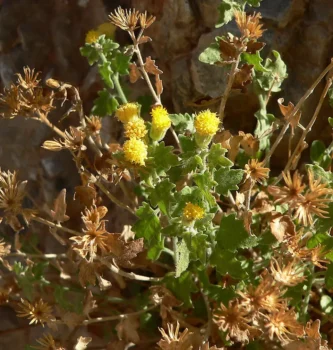
The Springdale rockdaisy is a compact, low-growing shrub that rarely exceeds 1.5 feet in height, making it perfect for intimate garden spaces. Despite its diminutive stature, this perennial packs a visual punch with its cheerful yellow daisy-like flowers that bloom against silvery-green foliage. It’s the kind of plant that makes you stop and appreciate the beauty in small packages.
Where You’ll Find It in the Wild
This native beauty calls the American Southwest home, naturally occurring in Arizona, Nevada, and Utah. It thrives in the rocky, arid landscapes that define this region, clinging to cliffsides and nestling into canyon walls where few other plants dare to grow.
- Species observed
- No observations
A Plant That Needs Our Protection
Important conservation note: The Springdale rockdaisy carries a Global Conservation Status of S3, meaning it’s considered vulnerable throughout its range. With only an estimated 21 to 100 occurrences and between 3,000 to 10,000 individuals remaining in the wild, this plant needs our careful stewardship.
If you’re interested in growing this rare beauty, please ensure you source it only from reputable native plant nurseries that propagate their own stock rather than wild-collecting. Never collect seeds or plants from wild populations.
Growing Springdale Rockdaisy Successfully
Ideal Growing Conditions
- Sunlight: Full sun exposure
- Soil: Well-draining, rocky or sandy soil
- Water: Drought tolerant once established; minimal supplemental watering needed
- Hardiness: USDA zones 5-9
Perfect Garden Settings
The Springdale rockdaisy shines in:
- Rock gardens and alpine collections
- Xeriscaping and drought-tolerant landscapes
- Native plant gardens focusing on southwestern species
- Container gardens with excellent drainage
- Slopes and areas with challenging growing conditions
Benefits for Wildlife and Pollinators
Don’t let its small size fool you—the Springdale rockdaisy is a pollinator magnet. Its bright yellow flowers attract native bees, butterflies, and other beneficial insects, making it a valuable addition to any wildlife-friendly garden. The extended blooming period provides crucial nectar sources during times when other desert plants may not be flowering.
Care and Maintenance Tips
One of the best things about the Springdale rockdaisy is how low-maintenance it becomes once established. Here’s how to keep it happy:
- Drainage is key: Poor drainage is the quickest way to lose this plant. Amend heavy soils with coarse sand or gravel
- Less is more with water: Overwatering is more harmful than drought to this desert native
- Minimal fertilization: These plants are adapted to poor soils and don’t need rich feeding
- Respect its size: Don’t crowd it with aggressive plants that might overwhelm its delicate nature
Should You Grow Springdale Rockdaisy?
If you’re passionate about native plant conservation and have the right growing conditions, the Springdale rockdaisy can be a rewarding addition to your garden. Its compact size, cheerful flowers, and minimal care requirements make it ideal for gardeners who appreciate subtle beauty over flashy displays.
However, due to its vulnerable status, this plant isn’t for everyone. Consider it if you:
- Have experience with native desert plants
- Can provide excellent drainage and appropriate growing conditions
- Are committed to sourcing plants responsibly
- Want to contribute to conservation efforts by growing rare species
The Springdale rockdaisy reminds us that some of nature’s most precious gifts come in small packages. By growing this rare beauty responsibly, you’re not just adding a unique plant to your garden—you’re becoming part of its conservation story.