Spurless Touch-Me-Not: A Delicate Native Gem for Shade Gardens
If you’re looking to add a touch of woodland charm to your shade garden, the spurless touch-me-not (Impatiens ecornuta) might just be the perfect native plant you’ve been searching for. This delicate annual brings subtle beauty and ecological value to gardens throughout the Pacific Northwest, offering gardeners a wonderful alternative to non-native impatiens.
What Makes Spurless Touch-Me-Not Special
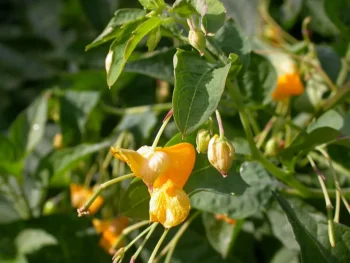
The spurless touch-me-not is a native North American annual that belongs to the touch-me-not family. Unlike its more flamboyant garden cousins, this native impatiens showcases understated elegance with small, bright yellow flowers that dance above serrated, pale green leaves. As its name suggests, this species lacks the distinctive spur found on many other impatiens flowers, making it easily distinguishable from its relatives.
As an annual forb, spurless touch-me-not completes its entire life cycle in a single growing season, typically blooming from summer through early fall before setting seed and dying back with the first frost.
Where Does It Call Home?
This charming native has a relatively limited range, naturally occurring in the Pacific Northwest region. You’ll find spurless touch-me-not growing wild in British Columbia, Idaho, Montana, Oregon, and Washington. It thrives in the cool, moist conditions that characterize this region’s forests and woodlands.
- Species observed
- No observations
A Note About Conservation
Before we dive into growing tips, it’s important to note that spurless touch-me-not has a conservation status that suggests it’s not extremely common in the wild. If you’re interested in adding this plant to your garden, please source seeds or plants from reputable native plant nurseries that practice responsible propagation. Avoid collecting from wild populations, as this can harm already vulnerable plant communities.
Why Grow Spurless Touch-Me-Not?
There are several compelling reasons to consider this native beauty for your garden:
- Native plant benefits: Supporting local ecosystems and wildlife
- Low maintenance: Once established, it requires minimal care
- Pollinator support: Small flowers attract bees, flies, and other beneficial insects
- Shade tolerance: Perfect for those challenging shady spots
- Self-seeding: Will naturalize in suitable conditions
- Wetland adaptability: Excellent for rain gardens and consistently moist areas
Perfect Garden Settings
Spurless touch-me-not shines in several garden scenarios:
- Woodland gardens: Mimics its natural forest understory habitat
- Shade gardens: Adds color where few other annuals will grow
- Native plant gardens: Essential for authentic Pacific Northwest landscapes
- Rain gardens: Its facultative wetland status makes it ideal for areas with variable moisture
- Naturalized areas: Perfect for low-maintenance, wild-looking spaces
Growing Conditions and Care
Success with spurless touch-me-not comes from mimicking its natural habitat:
Light Requirements
This plant prefers partial to full shade, making it ideal for those spots under trees or on the north side of buildings where many plants struggle.
Soil Preferences
Provide consistently moist, well-draining soil rich in organic matter. The plant tolerates a range of soil types but performs best in slightly acidic to neutral conditions that mirror forest floors.
Water Needs
Keep soil consistently moist but not waterlogged. This plant’s facultative wetland status means it can handle occasional flooding but also tolerates brief dry periods once established.
Climate Considerations
Hardy in USDA zones 3-8, spurless touch-me-not thrives in cool, humid conditions typical of the Pacific Northwest.
Planting and Propagation Tips
Getting started with spurless touch-me-not is relatively straightforward:
- Timing: Direct seed in early spring after the last frost date
- Seed starting: Seeds can also be started indoors 6-8 weeks before the last frost
- Planting depth: Barely cover seeds with soil, as they need light to germinate
- Spacing: Allow 6-12 inches between plants
- Germination: Seeds typically germinate within 1-2 weeks under ideal conditions
Maintenance and Long-term Care
One of the best things about spurless touch-me-not is its low-maintenance nature:
- Water regularly during dry spells, especially in summer
- No fertilization needed in rich, organic soils
- Allow plants to self-seed for natural colonies
- Remove spent flowers if you want to prevent excessive self-seeding
- No serious pest or disease issues to worry about
Wildlife and Ecological Benefits
While small in stature, spurless touch-me-not punches above its weight in terms of ecological value. The flowers provide nectar for various small pollinators, including native bees and beneficial flies. As a native plant, it also supports the broader ecosystem by providing habitat and food sources that co-evolved with local wildlife.
Is Spurless Touch-Me-Not Right for Your Garden?
This delightful native is perfect for gardeners who:
- Want to support native plant conservation
- Have shady, moist areas that need gentle color
- Appreciate subtle, natural beauty over bold displays
- Prefer low-maintenance plants
- Live in the Pacific Northwest region
- Want to create wildlife habitat
However, it might not be the best choice if you’re looking for bold, showy flowers or need plants for hot, dry, sunny locations.
Final Thoughts
Spurless touch-me-not offers gardeners a wonderful opportunity to grow a truly regional native plant while supporting local ecosystems. Its delicate beauty and ecological benefits make it a valuable addition to any shade garden in its native range. Just remember to source your plants responsibly and give this charming annual the cool, moist conditions it craves. With minimal effort, you’ll be rewarded with a self-sustaining population of these lovely native wildflowers that will bring a touch of authentic Pacific Northwest character to your garden year after year.