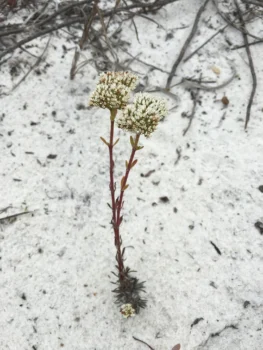
Squareflower: A Hidden Gem for Southeastern Native Gardens
Meet squareflower (Paronychia erecta), a delightfully understated native plant that’s been quietly carpeting the Southeast for centuries. While it might not win any flashy flower contests, this little perennial forb has a charm all its own and deserves a spot in more native gardens.
What Makes Squareflower Special
Squareflower is a true native son of the southeastern United States, naturally occurring in Alabama, Florida, Louisiana, and Mississippi. As a perennial forb – that’s garden-speak for a non-woody herbaceous plant – it returns year after year without the fuss of replanting.
- Species observed
- No observations
Don’t let its humble appearance fool you. This low-growing plant forms attractive mats and produces clusters of tiny white flowers that may be small individually but create a lovely carpet effect when viewed together. It’s the kind of plant that grows on you – literally and figuratively!
Why You Might Want to Grow Squareflower
Here’s where squareflower really shines:
- Native authenticity: Supporting local ecosystems by growing truly native plants
- Low maintenance: Once established, it’s remarkably drought tolerant and requires minimal care
- Pollinator support: Those small flowers attract native bees and other beneficial insects
- Ground cover potential: Perfect for filling in spaces in rock gardens or naturalized areas
- Unique character: Adds subtle texture and interest to native plant collections
A Note About Conservation
Before you rush to plant squareflower, here’s something important to know: this species has a Global Conservation Status of S3S4, indicating it may be somewhat uncommon in parts of its range. If you decide to grow it, please source your plants or seeds responsibly from reputable native plant nurseries rather than collecting from wild populations.
Growing Squareflower Successfully
The good news is that squareflower is relatively easy to grow if you can meet its basic needs:
Perfect Growing Conditions
- Sunlight: Full sun to partial shade
- Soil: Well-drained, sandy soils work best
- Hardiness: Thrives in USDA zones 8-10
- Water: Drought tolerant once established, but appreciates occasional watering during dry spells
Planting and Care Tips
Getting started with squareflower is straightforward:
- Plant in spring after the last frost date
- Space plants appropriately to allow for their mat-forming growth habit
- Water regularly during the first growing season to help establish roots
- Once established, minimal supplemental watering is needed
- No fertilizer necessary – native plants prefer lean soils
Garden Design Ideas
Squareflower works beautifully in:
- Native plant gardens and restoration projects
- Rock gardens where its low profile won’t compete with showier plants
- Xeriscaping and drought-tolerant landscapes
- Naturalized areas where you want authentic native ground cover
The Bottom Line
Squareflower might not be the star of your garden, but it’s definitely worthy of a supporting role. This native charmer offers authentic southeastern character, supports local pollinators, and requires virtually no maintenance once established. For gardeners passionate about native plants and sustainable landscaping, squareflower represents exactly the kind of regionally appropriate, ecologically valuable plant that deserves more recognition.
Just remember to source it responsibly, and you’ll have a delightful native ground cover that connects your garden to the natural heritage of the Southeast.