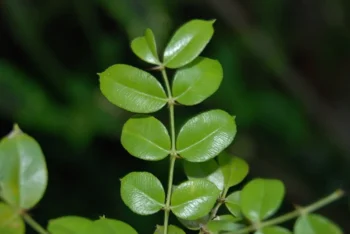
St. Thomas Pricklyash: A Rare Caribbean Native Worth Protecting
Meet the St. Thomas pricklyash (Zanthoxylum thomasianum), a fascinating little shrub that’s as unique as its thorny personality suggests. This Caribbean native might not be the easiest plant to find at your local nursery, but there’s a very important reason for that – and it’s a story worth telling.
Where Does St. Thomas Pricklyash Call Home?
This perennial shrub is native to the U.S. Virgin Islands and Puerto Rico, where it has evolved to thrive in the warm Caribbean climate. Unfortunately, you won’t find it growing wild in many places these days, as its natural range has become quite limited.
- Species observed
- No observations
A Plant in Crisis: Understanding Its Rarity
Here’s where things get serious, fellow gardeners. St. Thomas pricklyash has a Global Conservation Status of S1, which means it’s critically imperiled. In plain English? This little shrub is in big trouble. With typically five or fewer occurrences and very few remaining individuals (fewer than 1,000), it’s classified as Endangered in the U.S. Virgin Islands.
Important note: If you’re considering adding this plant to your garden, please only use responsibly sourced material from reputable native plant suppliers or conservation programs. Never collect from wild populations.
What Makes This Shrub Special?
St. Thomas pricklyash is a multi-stemmed woody perennial that typically grows to less than 13-16 feet in height, though it often stays much smaller. Like other members of the Zanthoxylum family, it sports thorny stems that give it both its common name and a built-in defense system. The compound leaves and small flowers may not win any beauty contests, but they serve important ecological functions.
Growing St. Thomas Pricklyash: A Conservation Effort
If you’re lucky enough to obtain this rare plant through proper channels, here’s what you need to know:
Climate Requirements
- USDA Hardiness Zones 10-11 (tropical climate only)
- Needs warm temperatures year-round
- Cannot tolerate frost
Growing Conditions
- Well-draining soil is essential
- Full sun to partial shade
- Drought-tolerant once established
- Adapted to Caribbean growing conditions
Care Tips
- Handle with care due to thorny stems – wear thick gloves
- Water regularly during establishment, then reduce frequency
- Minimal pruning needed, but wear protection if you must
- Allow natural growth habit to develop
Garden Role and Design Uses
In the right setting, St. Thomas pricklyash works beautifully as a specimen plant in native gardens or conservation landscapes. It’s particularly valuable for gardeners interested in supporting Caribbean biodiversity and participating in conservation efforts. The plant’s natural form and thorny character make it an interesting addition to wildlife-friendly gardens.
Supporting Pollinators and Wildlife
While specific pollinator data is limited, like other Zanthoxylum species, this plant likely supports various pollinators with its small flowers. Any wildlife benefits it provides are especially precious given its rarity – every individual plant becomes a potential lifeline for associated species.
The Bottom Line: A Plant Worth Protecting
Should you grow St. Thomas pricklyash? If you live in zones 10-11 and can source it responsibly, absolutely yes. Every garden that includes this rare native is contributing to its conservation. However, this isn’t a plant for casual gardening – it’s for dedicated native plant enthusiasts who understand the responsibility that comes with growing endangered species.
For most gardeners, the reality is that St. Thomas pricklyash will remain a plant to admire and support from afar. But by learning about species like this one, we become better stewards of our native plant heritage and more conscious of the conservation challenges facing our natural world.
Remember: when it comes to rare plants, every seed, every cutting, and every mature specimen matters. If you’re fortunate enough to grow this Caribbean treasure, you’re not just gardening – you’re participating in conservation history.