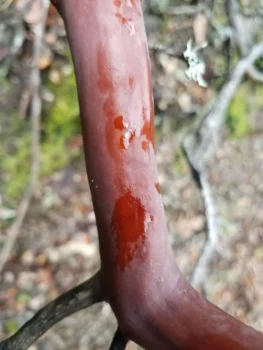
Stanford’s Manzanita: A Rare California Gem Worth Growing Responsibly
If you’re looking to add a truly special native plant to your California garden, Stanford’s manzanita (Arctostaphylos stanfordiana stanfordiana) might just be the perfect choice—with one important caveat. This gorgeous shrub is not only a California native but also quite rare in the wild, making it both a treasured garden addition and a conservation priority.
What Makes Stanford’s Manzanita Special?
Stanford’s manzanita is a perennial, multi-stemmed woody shrub that typically grows 4-5 feet tall, though it can occasionally reach up to 13-16 feet under ideal conditions. Don’t let the scientific name intimidate you—this plant is pure California charm wrapped up in an evergreen package.
What really sets this manzanita apart is its timing. While most plants are taking a winter nap, Stanford’s manzanita puts on a show with clusters of small, urn-shaped flowers that range from white to soft pink. These blooms typically appear in winter and early spring, followed by attractive red berries that wildlife absolutely love.
Where Does It Call Home?
This manzanita is a true California endemic, naturally found only in Napa and Sonoma Counties. It’s native to the lower 48 states but has a very limited range, which contributes to its rarity status.
- Species observed
- No observations
A Word About Rarity (This Is Important!)
Here’s where we need to have a serious conversation: Stanford’s manzanita has a Global Conservation Status of S3T1, which indicates it’s quite rare in the wild. While we absolutely encourage growing native plants, this particular species should only be planted using responsibly sourced material. This means:
- Purchase from reputable native plant nurseries that propagate rather than wild-collect
- Never collect seeds or cuttings from wild populations
- Ask your nursery about the source of their plants
- Consider participating in conservation efforts if available
Why Your Garden (and Local Wildlife) Will Love It
Despite its rarity in the wild, Stanford’s manzanita makes an excellent garden plant for several reasons:
- Drought tolerance: Once established, it needs minimal summer water—perfect for California’s Mediterranean climate
- Pollinator magnet: Those early flowers provide crucial nectar when few other plants are blooming
- Wildlife habitat: Birds love the berries, and the shrub provides shelter
- Low maintenance: Native plants are naturally adapted to local conditions
- Year-round beauty: Evergreen foliage and sculptural branching provide structure in all seasons
Growing Conditions and Care
Stanford’s manzanita is surprisingly easy to grow once you understand its preferences:
Climate: Thrives in USDA hardiness zones 8-10, making it suitable for most of California’s populated areas.
Sunlight: Prefers full sun to partial shade. More sun typically means more flowers.
Soil: The key to success is well-draining soil. This plant absolutely cannot tolerate wet feet, especially in summer. Sandy or rocky soils are ideal.
Water: Here’s the golden rule—water regularly the first year to establish roots, then back off significantly. Summer irrigation can actually harm established plants by encouraging root rot.
Planting and Care Tips
- Plant in fall for best establishment
- Mulch with gravel, decomposed granite, or bark chips (avoid thick organic mulches that retain moisture)
- Avoid fertilizing—native plants prefer lean soils
- Prune lightly if needed, but this shrub naturally has an attractive form
- Be patient—manzanitas can be slow to establish but are worth the wait
Perfect Garden Partners
Stanford’s manzanita plays well with other California natives in Mediterranean-style gardens, drought-tolerant landscapes, and native plant gardens. Consider pairing it with ceanothus, salvias, penstemon, and native bunch grasses for a stunning, water-wise display.
The Bottom Line
Stanford’s manzanita is a wonderful native plant that deserves a place in California gardens—just make sure you’re getting yours from a responsible source. By growing this rare beauty, you’re not only creating habitat for local wildlife and supporting pollinators, but you’re also helping preserve a piece of California’s natural heritage. Sometimes the rarest gems make the most meaningful additions to our gardens.