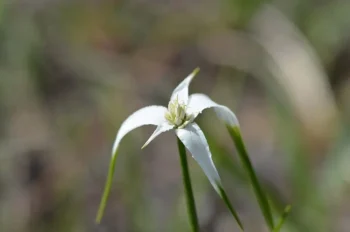
Starrush Whitetop: A Stunning Native Sedge for Wet Gardens
Looking for a native plant that brings both beauty and ecological value to your wet garden areas? Meet starrush whitetop (Rhynchospora colorata), a charming sedge that’s like having tiny white stars scattered across your landscape. This perennial grass-like plant might not be the flashiest native around, but it’s got serious staying power and a unique charm that makes it perfect for specific garden situations.
What Makes Starrush Whitetop Special
Don’t let the name fool you – this isn’t actually a grass, but rather a member of the sedge family. What makes this plant truly special are those distinctive white, star-shaped bracts that surround its flower clusters, creating what looks like little botanical fireworks in your garden. The plant forms neat clumps and provides excellent textural contrast when mixed with other wetland plants.
You might also see this plant listed under its scientific synonyms like Dichromena colorata, but Rhynchospora colorata is the current accepted name. Whatever you call it, this perennial sedge is a true southeastern native.
Where It Calls Home
Starrush whitetop is a proud native of the southeastern United States, naturally occurring across Alabama, Arkansas, Florida, Georgia, Louisiana, Mississippi, North Carolina, South Carolina, Texas, Virginia, and Puerto Rico. It’s perfectly adapted to the climate and growing conditions of these regions.
- Species observed
- No observations
One important note for Arkansas gardeners: this plant has a rarity status of S1 in the state, meaning it’s quite uncommon there. If you’re in Arkansas and want to grow this beauty, make sure you source it responsibly from reputable native plant nurseries rather than collecting from the wild.
The Perfect Spot in Your Garden
Here’s where starrush whitetop really shines – it’s classified as a facultative wetland plant across most of its range. This means it usually loves wet feet but can tolerate drier conditions occasionally. Think of it as the perfect plant for those tricky spots in your yard that stay soggy after rain or near water features.
This sedge is ideal for:
- Rain gardens and bioswales
- Pond margins and water garden edges
- Bog gardens
- Naturalized wetland areas
- Wildlife habitat gardens
- Native plant landscapes
Growing Conditions That Make It Happy
Starrush whitetop thrives in USDA hardiness zones 7-10, making it perfect for most of the Southeast. Give it full sun to partial shade – it’s pretty flexible about lighting as long as its moisture needs are met.
The key to success with this plant is consistent moisture. It prefers sandy or clay soils that retain moisture well and can even handle seasonal flooding. If you’ve got a spot that stays wet or gets regularly flooded, this could be your new best friend.
Planting and Care Made Simple
Good news for busy gardeners – starrush whitetop is refreshingly low-maintenance once established. Here’s how to set it up for success:
- Timing: Plant in spring after the last frost
- Soil prep: Ensure the planting area stays consistently moist
- Spacing: Allow room for clumping growth habit
- Watering: Keep consistently moist, especially during establishment
- Fertilizing: Minimal fertilization needed – it’s adapted to nutrient-poor wetland soils
- Maintenance: Cut back in late winter before new growth begins
Wildlife Will Thank You
Beyond its ornamental value, starrush whitetop is a wildlife magnet. The flowers attract small bees, flies, and other beneficial pollinators, while the seeds provide food for various bird species. It’s also valuable habitat for small wetland creatures and beneficial insects.
Should You Plant Starrush Whitetop?
If you have wet or consistently moist areas in your landscape and want to support native wildlife while adding unique visual interest, starrush whitetop is definitely worth considering. It’s particularly valuable for gardeners looking to create authentic native plant communities or restore wetland areas.
Just remember – this isn’t a plant for dry, upland gardens. It needs that consistent moisture to thrive. But if you’ve got the right conditions, you’ll be rewarded with those charming white star-like bracts and the satisfaction of growing a true southeastern native that supports local ecosystems.
Ready to add some stellar charm to your wet garden? Starrush whitetop might just be the perfect native addition you’ve been looking for!