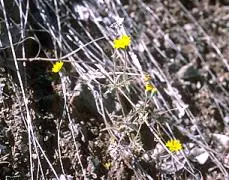
Stebbins’ Tarweed: A Rare California Native Worth Protecting
Meet Stebbins’ tarweed (Harmonia stebbinsii), one of California’s most elusive native wildflowers. This little-known annual forb belongs to the sunflower family and represents a precious piece of the Golden State’s botanical heritage. But before you start planning where to plant it in your garden, there’s something crucial you need to know about this remarkable species.
A Plant on the Brink
Stebbins’ tarweed carries a sobering conservation status that every native plant enthusiast should understand. With a Global Conservation Status of S2, this species is classified as Imperiled – meaning it’s extremely rare and vulnerable to disappearing forever. Scientists estimate there are typically only 6 to 20 known populations remaining, with perhaps 1,000 to 3,000 individual plants left in the wild.
What does this mean for gardeners? Simply put, this isn’t a plant you can casually add to your shopping list. Its rarity demands respect, careful consideration, and responsible action.
California’s Hidden Treasure
This annual forb calls California home exclusively, representing what botanists call an endemic species. Stebbins’ tarweed grows only within the borders of the Golden State, making it a true California original. Its extremely limited distribution means that every single plant matters for the species’ survival.
- Species observed
- No observations
Understanding the Basics
As an annual forb, Stebbins’ tarweed completes its entire life cycle in one growing season. Unlike woody shrubs or trees, this herbaceous plant lacks significant woody tissue and dies back completely each year, relying on seeds to continue the next generation. This growth pattern makes it particularly vulnerable to habitat disruption, as any interference with its reproductive cycle can have devastating consequences for local populations.
The plant was once classified under a different name – you might encounter it in older references as Madia stebbinsii. Regardless of the scientific name, the conservation concerns remain the same.
Should You Grow Stebbins’ Tarweed?
Here’s where things get complicated. While supporting native plants is generally encouraged, Stebbins’ tarweed presents a unique ethical dilemma. Given its imperiled status, here’s what responsible native plant gardeners should consider:
- Source matters everything: If you’re determined to grow this species, seeds or plants must come from legitimate conservation programs or botanical institutions – never from wild collection
- Purpose-driven planting: Consider whether your garden serves conservation goals or if you’re simply satisfying curiosity
- Alternative options: California offers hundreds of other native tarweeds and sunflower family members that aren’t facing extinction
- Professional guidance: Consult with native plant societies, botanic gardens, or conservation organizations before proceeding
The Mystery of Growing Conditions
Unfortunately, detailed growing requirements for Stebbins’ tarweed remain largely unknown due to its rarity. Limited scientific study means we lack the typical gardening guidance you’d find for common native plants. This knowledge gap itself presents another challenge for potential cultivators – without understanding its specific needs, successful cultivation becomes even more difficult.
A Better Way Forward
Instead of seeking out this rare species for your garden, consider these conservation-friendly alternatives:
- Support habitat protection: Donate to organizations working to preserve California’s remaining wild spaces
- Choose common relatives: Plant other California native tarweeds and sunflower family members that provide similar ecological benefits without conservation concerns
- Spread awareness: Share knowledge about rare species with fellow gardeners
- Visit natural areas: Experience these plants in their native habitats while supporting local conservation efforts
The Bigger Picture
Stebbins’ tarweed represents more than just another plant species – it’s a reminder of California’s incredible botanical diversity and the ongoing challenges facing native ecosystems. By understanding and respecting the conservation status of rare species like this one, gardeners can make more informed choices that support both beautiful landscapes and environmental stewardship.
Sometimes the most responsible way to appreciate a rare native plant is to admire it from afar, protect its remaining habitat, and choose abundant alternatives that provide similar benefits without contributing to conservation pressures. In the case of Stebbins’ tarweed, this thoughtful approach might be the difference between preservation and extinction.