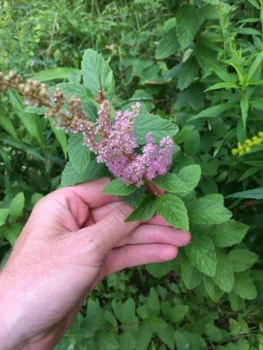
Steeplebush: A Native Beauty for Wet Gardens and Wildlife Lovers
If you’re looking for a native shrub that absolutely loves wet feet and puts on a spectacular summer flower show, let me introduce you to steeplebush (Spiraea tomentosa). This charming North American native might just be the perfect addition to those challenging damp spots in your garden that leave you scratching your head about what to plant.
What Makes Steeplebush Special?
Steeplebush, also known by its botanical name Spiraea tomentosa, is a delightful perennial shrub that typically grows 3-4 feet tall and wide. What really sets this plant apart are its distinctive fuzzy, cone-shaped flower clusters that bloom in gorgeous shades of pink to rose-purple throughout the summer months. These steeples of flowers are where the plant gets its common name, and they’re absolutely magnetic to pollinators.
As fall approaches, steeplebush doesn’t just fade into the background – its foliage transforms into beautiful shades of yellow and orange, extending its seasonal interest well beyond the blooming period.
Where Steeplebush Calls Home
This hardy native has quite an impressive range across North America. You’ll find steeplebush growing naturally from southeastern Canada (including New Brunswick, Nova Scotia, Ontario, Prince Edward Island, and Quebec) down through much of the eastern and central United States. Its range extends from Maine south to Georgia and Louisiana, and west through states like Arkansas, Kansas, Minnesota, and even reaches into Oregon and Washington.
- Species observed
- No observations
Important note for Arkansas gardeners: Steeplebush has a rarity status of S2 (imperiled) in Arkansas, so if you’re in the Natural State and want to add this beauty to your garden, please source your plants responsibly from reputable native plant nurseries rather than collecting from wild populations.
Perfect Spots for Steeplebush in Your Landscape
Here’s where steeplebush really shines – it’s classified as a facultative wetland plant across most regions, meaning it absolutely loves moist to wet conditions but can also tolerate drier spots once established. This makes it incredibly versatile for:
- Rain gardens and bioswales
- Pond or stream edges
- Low-lying areas that stay moist
- Native plant gardens and naturalized landscapes
- Wildlife habitat areas
- Slopes needing erosion control
The plant’s rhizomatous growth habit means it spreads slowly underground, making it excellent for stabilizing soil in wet areas while creating attractive colonies over time.
Growing Steeplebush Successfully
One of the best things about steeplebush is that it’s refreshingly low-maintenance once you understand its preferences. Here’s what this native beauty needs to thrive:
Hardiness: Steeplebush is incredibly cold-hardy, thriving in USDA zones 3-8 and tolerating temperatures down to -33°F.
Light Requirements: This shrub prefers full sun but is shade intolerant, so avoid planting it in areas with significant shade from trees or structures.
Soil Needs: Steeplebush is wonderfully adaptable to different soil textures – it’ll grow happily in coarse sandy soils, fine clay soils, or anything in between. It prefers acidic to neutral soils (pH 4.5-7.0) and has low fertility requirements, making it perfect for those challenging spots where other plants struggle.
Water Requirements: While it loves consistent moisture, steeplebush has medium drought tolerance once established. It’s perfect for areas that receive 30-60 inches of annual precipitation.
Planting and Care Tips
Getting steeplebush established in your garden is straightforward:
- Planting density: Space plants about 3-4 feet apart (roughly 1,800-4,800 plants per acre for large installations)
- Best planting time: Spring or fall, allowing time for root establishment
- Soil preparation: Minimal preparation needed – this tough native adapts to existing conditions
- Watering: Keep consistently moist the first year; after that, it’s quite self-sufficient
- Pruning: Optional light pruning after flowering to maintain shape, though the seed heads provide winter interest
Seeds require cold stratification if you want to try growing from seed, and the plant has medium resprouting ability if cut back or damaged.
Wildlife and Pollinator Benefits
Here’s where steeplebush really earns its keep in the garden ecosystem. Those showy summer flowers aren’t just pretty to look at – they’re pollinator magnets. Bees absolutely love steeplebush, and you’ll often see various butterfly species visiting the blooms throughout the summer.
The plant produces seeds that persist into fall and winter, providing food for birds and small mammals. The dense, rhizomatous growth also creates excellent habitat for small wildlife.
Propagation Options
If you fall in love with steeplebush (and who wouldn’t?), you’ll be happy to know it’s readily available from many native plant nurseries. You can find it as container plants, bare-root specimens, or even grow it from cuttings or seeds. With about 1,100,000 seeds per pound, a little goes a long way if you’re starting from seed!
The Bottom Line
Steeplebush is one of those wonderful native plants that checks all the boxes – it’s beautiful, supports wildlife, thrives in challenging wet conditions, and requires minimal care once established. Whether you’re dealing with a soggy corner of your yard, want to create habitat for pollinators, or simply love the idea of growing plants that belong in your local ecosystem, steeplebush deserves a spot on your planting list.
Just remember to source your plants responsibly, especially if you’re in Arkansas where this lovely native is considered rare. Your local native plant society or extension office can help you find reputable sources that don’t impact wild populations.