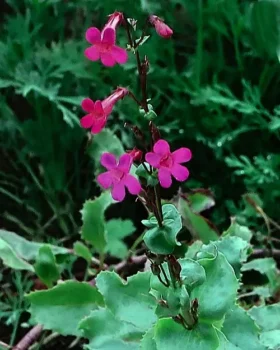
Stephens’ Penstemon: A Rare California Native Worth Protecting
If you’re passionate about native California plants and conservation, Stephens’ penstemon (Penstemon stephensii) might catch your attention. This perennial wildflower is a true California original, but before you start planning where to plant it, there’s something important you need to know about its conservation status.
What Makes Stephens’ Penstemon Special
Stephens’ penstemon is a herbaceous perennial that belongs to the beloved penstemon family. Like its cousins, this plant produces the characteristic tubular flowers that make penstemons so popular with gardeners and pollinators alike. As a forb, it lacks woody stems and dies back to ground level each winter, returning fresh each spring from its perennial root system.
A True California Native
This penstemon is exclusively native to California, making it a genuine regional treasure. Its distribution is quite limited within the state, which brings us to an important conservation consideration.
- Species observed
- No observations
Conservation Alert: Handle with Care
Here’s what every gardener needs to know: Stephens’ penstemon has a Global Conservation Status of S2, meaning it’s considered Imperiled. This classification indicates the species faces extreme rarity or vulnerability, with typically only 6 to 20 known occurrences and between 1,000 to 3,000 remaining individuals in the wild.
What does this mean for gardeners? If you’re interested in growing this rare beauty, it’s absolutely crucial to source plants or seeds only from reputable native plant nurseries that use responsibly collected material. Never collect from wild populations, as this could further threaten the species’ survival.
Growing Stephens’ Penstemon Successfully
If you can find responsibly sourced plants, here’s what you need to know about cultivation:
Ideal Growing Conditions
- Full sun to partial shade
- Well-draining soil is essential
- Drought-tolerant once established
- Estimated hardiness zones 8-10
Garden Design Role
Stephens’ penstemon works beautifully in:
- Native California plant gardens
- Drought-tolerant landscapes
- Rock gardens with excellent drainage
- Conservation-focused plantings
Pollinator Benefits
Like other penstemons, Stephens’ penstemon likely attracts hummingbirds and native bees with its tubular flowers. This makes it a valuable addition to pollinator-supporting gardens, though its rarity means it shouldn’t be your primary pollinator plant.
Planting and Care Tips
Once established, this California native should require minimal care:
- Plant in spring after frost danger passes
- Provide excellent drainage to prevent root rot
- Water regularly the first year, then reduce to occasional deep watering
- Avoid overwatering, especially in winter
- No fertilizer needed in most soils
The Conservation Gardener’s Choice
Growing Stephens’ penstemon is more than just gardening—it’s participating in conservation. By cultivating this rare species in your garden, you’re helping maintain genetic diversity and potentially providing seeds for future conservation efforts. Just remember to source responsibly and consider this plant as part of a broader commitment to protecting California’s native flora.
If you can’t find responsibly sourced Stephens’ penstemon, consider other California native penstemons that are more readily available and can provide similar garden benefits while supporting conservation efforts for rarer species like this one.