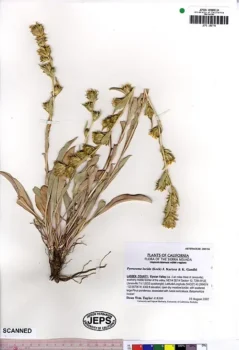
Sticky Goldenweed: A Rare California Native Worth Growing Responsibly
If you’re looking to add some late-season sunshine to your California native garden, sticky goldenweed might just be the perfect addition. This charming perennial brings golden blooms when most other wildflowers are calling it quits for the year. But before you start shopping, there’s something important you need to know about this special plant.
What Makes Sticky Goldenweed Special
Sticky goldenweed (Pyrrocoma lucida) is a true California native that knows how to make an entrance. This perennial forb produces clusters of bright yellow, daisy-like flowers that practically glow in the autumn landscape. True to its name, the plant has somewhat sticky foliage that gives it a unique texture among native wildflowers.
You might also see this plant listed under its scientific synonyms Haplopappus lucidus or Haplopappus racemosus ssp. lucidus in older gardening references, but Pyrrocoma lucida is the current accepted name.
Where It Calls Home
This golden beauty is exclusively native to California, where it grows naturally in the Sierra Nevada and surrounding mountain regions. It’s what botanists call an endemic species – meaning it doesn’t grow wild anywhere else in the world.
- Species observed
- No observations
A Plant That Needs Our Protection
Here’s where things get serious for a moment. Sticky goldenweed has a Global Conservation Status of S3, which means it’s considered vulnerable. With only 21 to 100 known occurrences and an estimated 3,000 to 10,000 individual plants in the wild, this species needs our help to survive.
What does this mean for gardeners? If you’re interested in growing sticky goldenweed, it’s crucial to source your plants responsibly. Only purchase from reputable native plant nurseries that propagate their plants rather than collecting from wild populations. Never collect seeds or plants from natural areas.
Why Gardeners Love Sticky Goldenweed
Despite its rarity in the wild, sticky goldenweed has several qualities that make it an excellent choice for the right garden:
- Late-season bloomer providing nectar when pollinators need it most
- Extremely drought tolerant once established
- Compact growth habit perfect for smaller spaces
- Supports native California pollinators including bees and butterflies
- Low maintenance requirements
Perfect Garden Settings
Sticky goldenweed shines in:
- Native California plant gardens
- Drought-tolerant landscapes
- Rock gardens with good drainage
- Pollinator gardens focused on late-season blooms
- Areas that receive full sun exposure
Growing Conditions and Care
This resilient native thrives in USDA hardiness zones 7-9, making it suitable for most of California’s diverse climate regions. Here’s what sticky goldenweed needs to flourish:
Sunlight: Full sun exposure brings out the best flowering
Soil: Well-draining soil is essential – this plant won’t tolerate soggy conditions
Water: Drought tolerant once established, but benefits from occasional deep watering during extended dry periods
Fertilizer: None needed – like most natives, it prefers lean soil conditions
Planting and Establishment Tips
For the best success with sticky goldenweed:
- Plant in fall when cooler temperatures reduce transplant shock
- Ensure excellent drainage – consider raised beds or slopes if your soil is heavy
- Water regularly the first year to establish deep roots
- Mulch lightly to retain moisture and suppress weeds
- Be patient – native plants often take time to settle in and show their true potential
Supporting Conservation Through Gardening
By choosing to grow sticky goldenweed in your garden, you’re doing more than just adding beauty to your landscape. You’re participating in conservation efforts by:
- Creating habitat for native pollinators
- Reducing pressure on wild populations
- Helping preserve genetic diversity through cultivation
- Raising awareness about California’s rare native plants
The Bottom Line
Sticky goldenweed is a wonderful addition to California native gardens, offering late-season color and important pollinator support. However, its vulnerable conservation status means gardeners have a responsibility to source plants ethically and support conservation efforts. When grown responsibly, this rare native can bring both beauty and ecological value to your landscape while contributing to the preservation of California’s unique botanical heritage.
Remember: always buy from reputable native plant nurseries, never collect from the wild, and consider this plant an investment in California’s natural future.