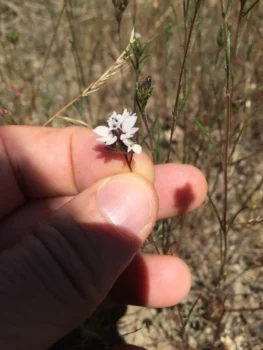
Sticky Western Rosinweed: A Hidden Gem for California Native Gardens
Meet sticky western rosinweed (Calycadenia multiglandulosa), one of California’s lesser-known native wildflowers that deserves a spot in your drought-tolerant garden. While it might not have the showy presence of poppies or lupines, this humble annual brings its own special charm and ecological value to native landscapes.
What is Sticky Western Rosinweed?
Sticky western rosinweed is a native annual forb that belongs to the sunflower family. As its name suggests, this plant has a distinctly sticky, glandular texture that you’ll notice if you brush against it. The sticky part isn’t just for show – those glands serve as natural protection against herbivores and help the plant conserve moisture in California’s dry climate.
This modest wildflower produces small yellow composite flowers that may remind you of tiny sunflowers. While each individual bloom is small, they appear in clusters that create a pleasant, naturalistic display when grown in masses.
Where Does It Grow Naturally?
Sticky western rosinweed is native to California and Nevada, with most populations concentrated in California’s Central Valley and surrounding foothill regions. It’s perfectly adapted to the Mediterranean climate of these areas, thriving in the wet winters and dry summers that define this unique ecosystem.
- Species observed
- No observations
Why Grow Sticky Western Rosinweed?
While it may not be the most dramatic addition to your garden, sticky western rosinweed offers several compelling reasons to include it in your native plant palette:
- True California native: Supporting local ecosystems by growing plants that evolved in your region
- Drought tolerance: Once established, it requires minimal summer water
- Pollinator magnet: Attracts native bees, beneficial insects, and butterflies
- Low maintenance: As an annual, it completes its life cycle naturally without requiring perennial care
- Naturalistic appeal: Perfect for wildflower meadows and informal native gardens
Best Garden Settings
Sticky western rosinweed shines in specific garden styles and situations:
- Wildflower meadows: Mix with other native annuals for a naturalistic display
- Native plant gardens: Include as part of a broader California native palette
- Drought-tolerant landscapes: Use in areas where water conservation is priority
- Naturalized areas: Allow to self-seed in informal garden spaces
Growing Conditions and Care
Success with sticky western rosinweed comes from mimicking its natural habitat:
Climate: Best suited for USDA zones 8-10, particularly areas with Mediterranean climate patterns
Sun requirements: Full sun is essential for healthy growth and flowering
Soil needs: Well-draining soils are crucial. This plant tolerates poor soils but cannot handle waterlogged conditions
Water requirements: Drought-tolerant once established. Provide moderate water during the growing season, then reduce or eliminate irrigation during summer dormancy
Planting and Care Tips
Growing sticky western rosinweed successfully is all about timing and understanding its annual nature:
- Seeding time: Direct seed in fall (October-December) to allow natural winter stratification
- Soil preparation: Ensure good drainage; amend heavy clay soils with sand or gravel if needed
- Germination: Seeds germinate with winter rains and grow through spring
- Summer care: Reduce watering as plants mature and begin to set seed
- Self-seeding: Allow plants to complete their cycle and drop seeds for next year’s generation
Wildlife and Pollinator Benefits
Don’t let its modest appearance fool you – sticky western rosinweed provides valuable ecosystem services. The flowers attract a variety of native pollinators, including specialized native bees that have co-evolved with California’s wildflowers. Butterflies and beneficial insects also visit the blooms, making this plant a small but important link in your garden’s food web.
Is Sticky Western Rosinweed Right for Your Garden?
This native wildflower is ideal for gardeners who appreciate subtle beauty and want to support local ecosystems. It’s perfect if you’re creating a naturalistic landscape, establishing a wildflower meadow, or simply want to include more true California natives in your drought-tolerant garden.
However, if you’re looking for showy, long-blooming perennials or plants that provide year-round structure, you might want to pair sticky western rosinweed with other natives that offer different seasonal interest.
Consider sticky western rosinweed as part of your native plant journey – a humble but valuable contributor to California’s incredible botanical heritage that you can nurture right in your own backyard.