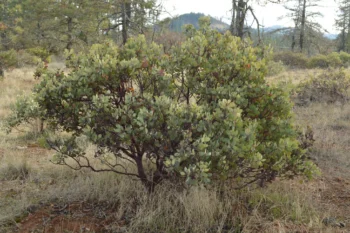
Sticky Whiteleaf Manzanita: A Winter-Blooming Native Beauty
If you’re looking for a drought-tolerant shrub that breaks all the rules about when plants should bloom, meet the sticky whiteleaf manzanita (Arctostaphylos viscida pulchella). While most plants are taking their winter nap, this California and Oregon native is putting on a spectacular flower show that’ll have you wondering why more gardeners don’t know about this gem.
What Makes Sticky Whiteleaf Manzanita Special?
This perennial shrub is like the reliable friend who shows up exactly when you need them most. During the dreary winter months, sticky whiteleaf manzanita produces clusters of delicate, bell-shaped flowers that range from white to soft pink. The show doesn’t stop there – these blooms eventually give way to sticky, reddish berries that wildlife absolutely love.
The plant gets its sticky common name from its distinctive berries and the waxy coating on its attractive silvery-green to blue-green oval leaves. You might also encounter this plant listed under its synonyms Arctostaphylos pulchella Howell or Arctostaphylos serpentinicola J.B. Roof in older references.
Where Does It Come From?
Sticky whiteleaf manzanita is native to the lower 48 states, specifically California and Oregon, where it thrives in chaparral and woodland environments. This native status makes it a fantastic choice for gardeners who want to support local ecosystems while creating beautiful, sustainable landscapes.
- Species observed
- No observations
Why Your Garden (and Local Wildlife) Will Love It
Here’s where this manzanita really shines – it’s basically a winter diner for pollinators. When most flowers have called it quits for the season, sticky whiteleaf manzanita is serving up nectar to bees, butterflies, and hummingbirds. Talk about timing!
From a design perspective, this multi-stemmed woody shrub typically stays under 13-16 feet tall, making it perfect for:
- Mediterranean and drought-tolerant gardens
- Hillside erosion control
- Wildlife habitat gardens
- Native plant landscapes
- Year-round structure in xeriscape designs
Growing Conditions and Care
If you’re tired of babying high-maintenance plants, sticky whiteleaf manzanita might just become your new best friend. This shrub thrives in USDA hardiness zones 7-10 and prefers:
- Full sun to partial shade
- Well-draining soil (this is crucial!)
- Acidic to neutral soil pH
- Minimal water once established
The key to success? Think benign neglect after the first year. Once established, this drought-tolerant beauty actually prefers to be left alone, especially during hot summer months.
Planting and Care Tips
Fall is your best bet for planting, giving the roots time to establish before the growing season kicks in. Here’s how to keep your sticky whiteleaf manzanita happy:
- Water regularly the first year, then back off significantly
- Avoid summer irrigation once established (seriously, they prefer it dry!)
- Prune lightly after flowering if needed, but don’t go overboard
- Mulch around the base to retain moisture and suppress weeds
A Word About Conservation
Sticky whiteleaf manzanita has a Global Conservation Status that suggests it may be of conservation concern in some areas. If you decide to add this beauty to your garden, make sure you’re purchasing from reputable nurseries that source their plants responsibly. This way, you’re supporting conservation efforts rather than potentially impacting wild populations.
The Bottom Line
Sticky whiteleaf manzanita is perfect for gardeners who want maximum impact with minimum fuss. It offers year-round interest, supports local wildlife, requires little water once established, and provides those coveted winter blooms when your garden needs them most. Plus, you’ll be growing a piece of California and Oregon’s natural heritage right in your own backyard.
Just remember: good drainage is non-negotiable, summer water is usually unwelcome, and patience during establishment pays off with years of low-maintenance beauty.