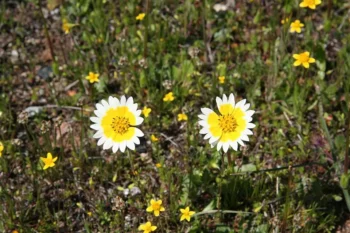
Stinkbells: A Rare California Native Bulb Worth Growing Responsibly
Don’t let the name fool you – stinkbells (Fritillaria agrestis) might have an unfortunate moniker, but this charming California native bulb is actually a delightful addition to the right garden. With its nodding, bell-shaped flowers and important role in supporting early spring pollinators, this perennial forb deserves a second look from native plant enthusiasts.
What Are Stinkbells?
Stinkbells are herbaceous perennial bulbs native exclusively to California. As a forb, this plant lacks significant woody tissue and emerges fresh each year from underground bulbs. The plant produces distinctive drooping, bell-shaped flowers in early spring, typically from March through May. These blooms are usually greenish-white to pale yellow with subtle purple or brown markings, creating an understated but elegant display.
Where Do Stinkbells Grow Naturally?
This native beauty is found only in California, where it grows naturally in grasslands, oak woodlands, and chaparral areas throughout the Central Valley and surrounding foothills. As a California endemic, stinkbells have evolved specifically to thrive in the state’s Mediterranean climate conditions.
- Species observed
- No observations
Important Conservation Note
Before you rush to add stinkbells to your garden, there’s something crucial you need to know: Fritillaria agrestis has a Global Conservation Status of S3, meaning it’s considered vulnerable throughout its range. With typically only 21 to 100 occurrences and between 3,000 to 10,000 individuals remaining in the wild, this species requires our protection.
If you choose to grow stinkbells, please only source bulbs from reputable native plant nurseries that propagate their own stock rather than wild-collecting. Never dig bulbs from the wild – this practice threatens the survival of already vulnerable populations.
Why Grow Stinkbells in Your Garden?
Despite their rarity concerns, there are compelling reasons to include responsibly sourced stinkbells in appropriate gardens:
- Native pollinator support: Early spring blooms provide crucial nectar for native bees and other pollinators emerging from winter dormancy
- Authentic California flora: Support local biodiversity by growing plants that naturally belong in your region
- Low maintenance: Once established, these bulbs require minimal care and naturally go dormant in summer
- Spring ephemeral beauty: Provides delicate early season interest before other plants fully emerge
- Drought tolerance: Adapted to California’s dry summers, requiring no supplemental water during dormancy
Growing Conditions and Care
Stinkbells thrive in conditions that mimic their natural habitat:
- Climate zones: USDA hardiness zones 8-10, ideal for Mediterranean climates
- Sunlight: Part shade to full sun
- Soil: Well-draining soils are essential – bulbs will rot in waterlogged conditions
- Water: Winter and spring moisture, followed by dry summer dormancy
- Wetland status: Facultative, meaning they can tolerate both moist and dry conditions but prefer the natural wet-dry cycle
Planting and Care Tips
Success with stinkbells comes from mimicking their natural growing cycle:
- Planting time: Plant bulbs in fall (October-November) before winter rains begin
- Depth: Plant bulbs 3-4 inches deep in well-draining soil
- Summer care: Allow plants to go completely dormant in summer – avoid any summer watering
- Winter care: Natural rainfall should provide adequate moisture; supplement only during very dry winters
- Fertilizing: Generally unnecessary; these plants are adapted to lean soils
Perfect Garden Settings
Stinkbells work beautifully in:
- Native California plant gardens
- Naturalized meadow areas
- Oak woodland gardens
- Drought-tolerant landscapes
- Rock gardens with good drainage
The Bottom Line
Stinkbells offer California gardeners a chance to support native biodiversity while enjoying delicate spring beauty. However, their vulnerable conservation status means this isn’t a plant to grow casually. If you’re committed to responsible sourcing and can provide the Mediterranean growing conditions these bulbs need, stinkbells can be a meaningful addition to your native plant collection. Just remember – only purchase from reputable nurseries, never wild-collect, and consider this plant a special stewardship opportunity rather than just another garden addition.
By growing stinkbells responsibly, you’re not just adding beauty to your garden – you’re participating in the conservation of California’s unique botanical heritage.