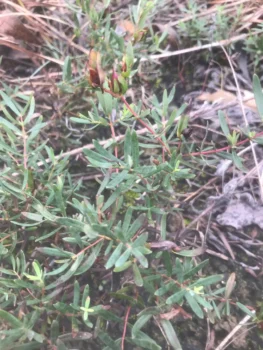
Straggling St. Johnswort: A Rare Native Ground Cover Worth Growing Responsibly
If you’re looking for a low-maintenance native ground cover that’s both beautiful and ecologically valuable, straggling St. Johnswort (Hypericum dolabriforme) might just be the hidden gem your garden needs. This charming perennial herb offers sunny yellow blooms and a sprawling habit that makes it perfect for filling in difficult spots in your landscape.
What Makes Straggling St. Johnswort Special?
Straggling St. Johnswort is a native herbaceous perennial that belongs to the St. John’s wort family. Unlike its weedy cousins, this species is a well-behaved native that won’t take over your garden. The plant gets its straggling name from its low, spreading growth habit that creates attractive mats of foliage topped with cheerful yellow flowers during the summer months.
Each flower features five bright yellow petals that seem to glow in the garden, making this plant a delightful addition to any native plant collection. As a forb, it lacks woody stems but returns reliably each year from its perennial root system.
Where Does It Grow Naturally?
This southeastern native calls six states home: Alabama, Georgia, Indiana, Kentucky, North Carolina, and Tennessee. You’ll typically find it growing in woodland openings, rocky slopes, and disturbed areas in the wild, where it has adapted to a variety of growing conditions.
- Species observed
- No observations
Important Conservation Note
Before you rush out to buy straggling St. Johnswort, there’s something important you should know: this plant is considered rare in at least part of its range. In Alabama, it carries an SH rarity status, meaning it’s historically known but possibly extirpated from the state. If you’re interested in growing this species, please make sure to source it only from reputable native plant nurseries that propagate their plants responsibly rather than collecting from wild populations.
Why Grow Straggling St. Johnswort?
There are several compelling reasons to consider adding this native beauty to your garden:
- Pollinator magnet: The bright yellow flowers attract bees and other beneficial insects to your garden
- Low maintenance: Once established, it requires minimal care and is quite drought tolerant
- Native ecosystem support: As a native plant, it supports local wildlife and fits naturally into regional ecosystems
- Versatile ground cover: Perfect for filling in difficult spots where other plants might struggle
- Long blooming period: Provides color throughout much of the summer growing season
Growing Conditions and Care
Straggling St. Johnswort is surprisingly adaptable and relatively easy to grow once you understand its preferences. This hardy perennial thrives in USDA hardiness zones 5 through 8, making it suitable for much of the eastern United States.
Light requirements: This flexible plant does well in partial shade to full sun, though it seems to prefer locations with some protection from intense afternoon sun.
Soil needs: Well-drained soil is essential for success. The plant tolerates poor soils quite well, making it an excellent choice for challenging garden spots where other plants might struggle. Avoid areas that stay consistently wet, as this can lead to root problems.
Watering: Once established, straggling St. Johnswort is quite drought tolerant. Water regularly during its first growing season to help establish a strong root system, then reduce watering frequency. The plant actually prefers to dry out between waterings.
Best Uses in the Garden
This versatile native works beautifully in several garden situations:
- Rock gardens: Its low, spreading habit and tolerance for poor soils make it ideal for tucking between rocks
- Native plant gardens: Pairs wonderfully with other southeastern natives
- Woodland gardens: Perfect for naturalizing in partially shaded areas
- Ground cover: Creates attractive mats that help suppress weeds
- Slope stabilization: The spreading root system helps prevent erosion on gentle slopes
Planting and Establishment Tips
For best results with straggling St. Johnswort, plant in spring after the last frost date in your area. Space plants about 12-18 inches apart to allow for their spreading habit. Water regularly during the first growing season to help plants establish, then reduce watering frequency as they become drought tolerant.
The plant requires minimal fertilization – in fact, too much fertility can reduce flowering. A light application of compost in early spring is usually sufficient. Deadheading spent flowers can encourage continued blooming, though it’s not strictly necessary.
The Bottom Line
Straggling St. Johnswort is a wonderful choice for gardeners who want to support native ecosystems while adding a reliable, low-maintenance ground cover to their landscape. Just remember to source your plants responsibly from nurseries that propagate rather than wild-collect their stock. By choosing this rare native, you’re not only creating a more sustainable garden – you’re also helping preserve an important piece of our natural heritage for future generations.
With its cheerful yellow flowers, spreading habit, and easy-care nature, straggling St. Johnswort proves that sometimes the best garden plants are the ones that have been quietly thriving in our native landscapes all along.