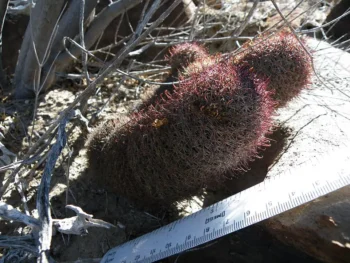
Strawberry Cactus: A Sweet Addition to Your Desert Garden
If you’re looking for a charming, low-maintenance native plant that produces adorable strawberry fruits, meet the strawberry cactus (Mammillaria dioica). This delightful little cactus might just be the perfect addition to your drought-tolerant landscape – if you live in the right climate zone!
What Makes the Strawberry Cactus Special?
The strawberry cactus is a native perennial that calls California home, specifically thriving in the state’s desert regions. This petite cactus typically grows as a multi-stemmed shrub, though it stays refreshingly compact compared to its towering desert cousins. What really sets it apart are those eye-catching red fruits that give the plant its sweet common name – they really do look like tiny strawberries!
Where Does It Grow Naturally?
This native beauty is found naturally in California’s desert areas, where it has adapted perfectly to the harsh, arid conditions. It’s part of the Sonoran Desert ecosystem, making it a true California native that supports local wildlife and ecosystems.
- Species observed
- No observations
Why Consider Growing Strawberry Cactus?
There are several compelling reasons to welcome this spiky friend into your garden:
- Native plant benefits: Supporting local ecosystems and requiring minimal resources once established
- Drought tolerance: Perfect for water-wise gardening and xeriscaping
- Unique visual appeal: Attractive flowers in spring (typically yellow to cream) followed by those signature red fruits
- Pollinator support: The flowers attract bees and other small pollinators
- Low maintenance: Once established, it practically takes care of itself
Perfect Garden Settings
The strawberry cactus shines in specific landscape designs:
- Desert and xeriscape gardens
- Rock gardens and succulent collections
- Mediterranean-style landscapes
- Container gardens (great for patios)
- Native plant gardens focused on California species
Growing Conditions and Care
This cactus thrives in USDA hardiness zones 9-11, making it suitable for warmer climates. Here’s what it needs to flourish:
- Sunlight: Full sun exposure is essential
- Soil: Well-draining, sandy or rocky soil – avoid heavy clay or moisture-retentive soils
- Water: Minimal watering once established; drought tolerance is one of its superpowers
- Temperature: Protect from hard frosts, though it can handle some cool weather
Planting and Care Tips
Getting started with strawberry cactus is surprisingly straightforward:
- Plant in spring when temperatures are warming up
- Choose the sunniest spot in your garden
- Ensure excellent drainage – this is non-negotiable for cactus success
- Water sparingly, especially during winter months
- Skip the fertilizer – these plants prefer lean conditions
- Provide some protection during unexpected cold snaps
Important Considerations
Before adding strawberry cactus to your garden, keep in mind that this species has a conservation status that’s somewhat uncertain (listed as S3?). If you’re interested in growing it, make sure to source plants responsibly from reputable native plant nurseries rather than collecting from wild populations.
Also remember that this plant is specifically adapted to California’s desert conditions. If you live outside zones 9-11 or in a climate with high humidity and frequent rainfall, this might not be the right choice for your garden.
The Bottom Line
The strawberry cactus is a wonderful choice for gardeners in appropriate climates who want to embrace native, water-wise gardening. Its combination of attractive flowers, unique fruits, and minimal care requirements make it a standout option for desert and xeriscape gardens. Just remember to source responsibly and ensure your climate matches its needs – your local native plant society can be a great resource for finding appropriate sources and growing advice specific to your area!