Streambank Mock Orange: A Fragrant Native Shrub Worth Discovering
If you’re looking for a native shrub that combines delightful fragrance with ecological benefits, streambank mock orange (Philadelphus hirsutus) might just be your new garden favorite. This lesser-known member of the hydrangea family brings both beauty and biodiversity to southeastern landscapes, though it deserves a bit more attention than it currently receives.
Meet the Streambank Mock Orange
Streambank mock orange is a perennial shrub that typically grows 4-8 feet tall and wide, creating a naturally rounded form that fits beautifully into woodland settings. True to its name, this native plant originally made its home along streambanks and in rocky areas throughout the southeastern United States, where it developed a preference for moist, well-drained soils and dappled sunlight.
Where You’ll Find It Growing Wild
This charming shrub calls the southeastern United States home, with native populations found across Alabama, Arkansas, Georgia, Kentucky, Maryland, Mississippi, North Carolina, South Carolina, Tennessee, and Virginia. It’s particularly at home in woodland edges, rocky slopes, and—as its name suggests—along streambanks where it can access consistent moisture.
- Species observed
- No observations
Why Consider Planting Streambank Mock Orange?
Important note: Before we dive into the benefits, it’s worth noting that streambank mock orange has a rarity status of S2S3 in Arkansas, meaning it’s somewhat uncommon to rare in that state. If you’re interested in growing this plant, please source it only from reputable native plant nurseries that propagate rather than wild-collect their stock.
Here’s why this native shrub deserves a spot in your landscape:
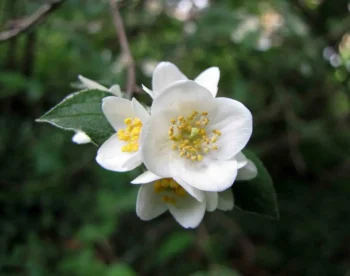
- Fragrant flowers: Late spring brings clusters of white, four-petaled flowers that fill the air with sweet perfume
- Pollinator magnet: Bees, butterflies, and other beneficial insects flock to the fragrant blooms
- Low maintenance: Once established, it’s remarkably self-sufficient
- Native plant benefits: Supports local ecosystems and wildlife
- Natural form: Develops an attractive, naturally rounded shape without much pruning
Perfect Garden Situations
Streambank mock orange shines in several landscape scenarios:
- Woodland gardens: Excellent as an understory shrub beneath taller trees
- Native plant gardens: A wonderful addition to southeastern native plant collections
- Naturalized areas: Perfect for creating low-maintenance, wildlife-friendly spaces
- Rain gardens: Its natural affinity for moist conditions makes it ideal for areas with seasonal water collection
Growing Conditions and Care
The good news is that streambank mock orange isn’t particularly fussy once you understand its preferences:
Hardiness: Thrives in USDA zones 5-8, making it suitable for most of its native range and beyond.
Light requirements: Performs well in partial shade to full sun, though it appreciates some afternoon shade in hotter climates.
Soil preferences: Loves moist, well-drained soil and can handle rocky conditions. While it prefers consistent moisture, it won’t tolerate standing water.
Maintenance: Minimal care required! Prune lightly after flowering if needed to maintain shape, but this shrub looks great in its natural form.
Planting and Establishment Tips
- Plant in spring or fall when temperatures are moderate
- Dig a hole twice as wide as the root ball but no deeper
- Water regularly the first year while roots establish
- Apply a 2-3 inch layer of organic mulch around the base
- Be patient—like many natives, it may take a year or two to really take off
The Bottom Line
Streambank mock orange offers southeastern gardeners a chance to grow something truly special—a fragrant, low-maintenance native shrub that supports local wildlife while adding natural beauty to the landscape. While it may not be the showiest plant in the garden center, its subtle charms and ecological benefits make it a worthy addition to any native plant collection.
Just remember to source your plants responsibly from nurseries that propagate their stock, helping to protect wild populations of this somewhat uncommon southeastern treasure. Your local pollinators (and your nose) will thank you come late spring when those sweetly scented blooms appear!