Streambank Spiderlily: A Rare Florida Native Worth Protecting
If you’re drawn to unique, fragrant flowers and have a passion for supporting native plant conservation, the streambank spiderlily (Hymenocallis rotata) might just capture your heart. This enchanting perennial is one of Florida’s botanical treasures, though its rarity makes it a plant that deserves special consideration before adding to your garden.
What Makes Streambank Spiderlily Special?
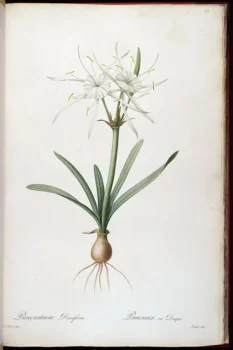
The streambank spiderlily is a show-stopping native forb that produces some of the most distinctive flowers you’ll ever encounter. Picture pristine white blooms with long, thin petals that radiate outward like spider legs, complemented by prominent stamens that give the flower an almost otherworldly appearance. These fragrant beauties emerge from clumps of attractive strap-like green foliage, creating a striking contrast against wetland settings.
As a perennial herb, this plant lacks the woody stems of shrubs and trees, instead growing from underground bulbs that return year after year. The streambank spiderlily has quite a few scientific aliases too – you might see it listed as Hymenocallis floridana, Hymenocallis laciniata, or even its original name Pancratium rotatum in older references.
Where Does It Call Home?
This Florida endemic is found exclusively in the Sunshine State, making it a truly special regional treasure. The streambank spiderlily lives up to its name by naturally occurring along streambanks and other wetland areas throughout Florida, where it thrives in the humid, water-rich environment.
- Species observed
- No observations
A Word of Caution: Rarity Matters
Before you start planning where to plant your streambank spiderlily, there’s something important to know: this species has a conservation status of S2S3Q, meaning it’s considered rare to uncommon in its native range. This rarity status is a gentle reminder that if you choose to grow this plant, you should only source it from responsible nurseries that propagate rather than wild-collect their plants.
Supporting ethical plant sources helps protect wild populations while still allowing garden enthusiasts to appreciate this remarkable species.
Growing Streambank Spiderlily Successfully
If you’re lucky enough to find responsibly sourced streambank spiderlily, you’ll need to recreate its natural wetland habitat for success. This plant is classified as an obligate wetland species, which means it almost always occurs in wetlands and requires consistently moist to wet conditions.
Ideal Growing Conditions
- Moisture: Consistently wet to moist soil – think pond margins or bog garden conditions
- Light: Partial shade to full sun, though some protection from intense afternoon sun is beneficial
- Climate: USDA hardiness zones 8-10, matching its native Florida range
- Soil: Rich, organic, water-retentive soils with good drainage
Perfect Garden Settings
The streambank spiderlily shines in specialized garden settings that can accommodate its wetland needs:
- Rain gardens and bioswales
- Pond and water feature margins
- Bog gardens
- Wetland restoration projects
- Native plant gardens with consistent irrigation
Wildlife and Pollinator Benefits
While specific research on streambank spiderlily’s wildlife relationships is limited, its fragrant white flowers likely attract night-flying moths and other pollinators that are drawn to pale, sweet-scented blooms. As a native Florida plant, it undoubtedly plays a role in supporting local ecosystems, though more research is needed to fully understand these relationships.
Care Tips for Success
Growing streambank spiderlily successfully means thinking like a wetland:
- Never allow the soil to dry out completely
- Plant bulbs in spring after the last frost
- Mulch around plants to retain moisture
- Protect from freezing temperatures if you’re at the edge of its hardiness range
- Be patient – establishment may take time as the plant adapts to your garden conditions
The Bottom Line
Streambank spiderlily is a gorgeous native plant that deserves a place in appropriate Florida gardens, but only when sourced responsibly. Its striking flowers and wetland habitat requirements make it perfect for specialized water gardens and native plant enthusiasts who can meet its needs. If you can’t find ethically sourced plants or don’t have suitable wet conditions, consider supporting this species through native plant society conservation efforts instead.
Remember, sometimes the best way to love a rare plant is to protect it in its natural habitat while choosing more common natives for our home landscapes.