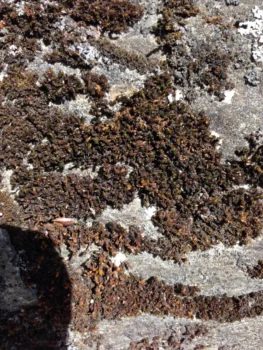
Streamside Schistidium Moss: A Rare Native Bryophyte Worth Knowing
If you’ve ever found yourself captivated by the intricate world of mosses during a woodland walk, you might be curious about the tiny green carpets that coat rocks and logs. Meet streamside schistidium moss (Schistidium rivulare), a fascinating native moss that’s both beautiful and environmentally important, though you’ll need to look closely to appreciate its subtle charms.
What Exactly Is Streamside Schistidium Moss?
Streamside schistidium moss is a bryophyte – part of that ancient group of plants that includes mosses, liverworts, and hornworts. These remarkable little plants have been around for hundreds of millions of years, long before flowers ever existed! Unlike the flashy perennials in your garden beds, this moss is all about quiet elegance and ecological function.
This particular species is native to North America and typically grows as small, cushion-like patches. You’ll often find it attached to rocks, fallen logs, or other solid surfaces rather than growing directly in soil. Its dark green to brownish coloration might not win any flower show ribbons, but it plays a crucial role in forest ecosystems.
Where Does It Call Home?
As its name suggests, streamside schistidium moss has an affinity for moist environments, particularly areas near water sources throughout North America. It’s part of our native botanical heritage, having evolved alongside our local ecosystems for millennia.
A Word of Caution: This Moss Is Rare
Here’s something important to know: in Alabama, streamside schistidium moss has a rarity ranking of S2?, which means it’s considered rare to imperiled in that state. This classification reminds us that even small, seemingly common plants can actually be quite vulnerable to habitat loss and environmental changes.
If you’re lucky enough to spot this moss in the wild, please observe and photograph it, but resist the urge to collect it. Its rarity status means every population is precious for maintaining genetic diversity and ecosystem health.
Is It Beneficial to Have in Your Garden?
While you shouldn’t collect wild specimens, streamside schistidium moss and its relatives can be wonderful additions to specialized garden settings when obtained responsibly. Here’s why moss enthusiasts love them:
- They provide year-round green coverage in shaded areas where other plants struggle
- They help prevent soil erosion on slopes and around water features
- They create habitat for tiny invertebrates and microorganisms
- They add texture and visual interest to rock gardens and woodland settings
- They require no fertilizers, pesticides, or frequent watering once established
How to Identify Streamside Schistidium Moss
Identifying specific moss species can be tricky even for experts, but here are some general characteristics to look for:
- Forms small, dense cushions or mats
- Typically dark green to brownish in color
- Found on rocks, logs, or other solid surfaces
- Prefers moist, shaded locations, often near water
- Individual plants are very small – you’ll need to look closely!
For definitive identification, you’d need a hand lens and considerable expertise, as many moss species look quite similar to the untrained eye.
Creating Moss-Friendly Spaces
If you’re inspired to create habitat for native mosses like streamside schistidium moss, consider these approaches:
- Maintain shaded, moist areas in your landscape
- Leave fallen logs and rocks undisturbed in wooded areas
- Avoid using pesticides and fertilizers that can harm bryophytes
- Create water features or maintain areas with consistent moisture
- Consider purchasing moss from reputable suppliers rather than wild-collecting
The Bottom Line
Streamside schistidium moss might not be the showstopper of your garden, but it represents something equally valuable: the intricate web of native species that make our ecosystems function. Whether you encounter it on a nature walk or create conditions to support similar species in your landscape, taking time to appreciate these ancient, humble plants connects us to the deeper rhythms of the natural world.
Remember, the best way to support rare species like streamside schistidium moss is to protect their wild habitats and appreciate them where they naturally occur. Sometimes the most important gardening we can do is simply creating space for nature to do what it does best.