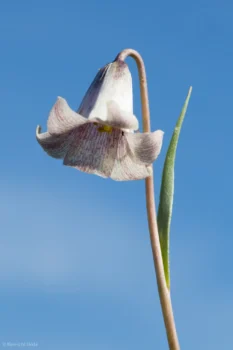
Striped Adobe Lily: A Rare California Native Worth Protecting in Your Garden
If you’re a native plant enthusiast looking for something truly special, the striped adobe lily might just capture your heart. This diminutive California native is as rare as it is beautiful, making it a genuine treasure for those lucky enough to grow it successfully.
What Makes the Striped Adobe Lily Special?
Known botanically as Fritillaria striata, the striped adobe lily is a perennial bulb that belongs to the lily family. Don’t let its humble size fool you – this little forb (that’s gardener-speak for a non-woody flowering plant) packs a visual punch with its distinctive bell-shaped blooms.
The flowers are the real showstoppers here, displaying beautiful purplish-brown petals adorned with lighter striping that gives the plant its common name. These nodding blooms appear in spring, creating an enchanting display that’s subtle yet striking.
A True California Native
This special plant is endemic to California, calling the Golden State home exclusively. You’ll find it naturally occurring in the San Francisco Bay Area and surrounding regions, where it has adapted perfectly to the Mediterranean climate.
- Species observed
- No observations
Important Conservation Note
Here’s something crucial every gardener should know: the striped adobe lily has a Global Conservation Status of S2, meaning it’s imperiled in the wild. With typically only 6 to 20 known occurrences and potentially just 1,000 to 3,000 individuals remaining, this plant is extremely rare and vulnerable.
If you choose to grow this plant, please only source it from reputable native plant nurseries that propagate their own stock responsibly. Never collect bulbs from wild populations.
Why Grow Striped Adobe Lily?
Despite its rarity challenges, there are compelling reasons to consider this plant:
- Support conservation efforts by growing responsibly sourced specimens
- Add an authentic piece of California’s natural heritage to your garden
- Attract native pollinators, including specialized bees
- Create a unique focal point in rock gardens or native plant collections
- Experience the satisfaction of successfully growing a challenging rare plant
Growing Conditions and Care
The striped adobe lily thrives in USDA hardiness zones 8-10, making it suitable for mild winter areas. Like many California natives, it prefers:
- Well-draining soil (absolutely essential – soggy conditions will kill the bulbs)
- Partial shade to full sun exposure
- Dry summers with minimal to no irrigation during dormancy
- Cool, moist winters for active growth
Planting and Care Tips
Success with striped adobe lily requires understanding its natural rhythm:
- Plant bulbs in fall, about 3-4 inches deep
- Provide winter moisture but ensure excellent drainage
- Allow the plant to go completely dormant in summer – resist the urge to water!
- Mulch lightly to protect bulbs and suppress weeds
- Be patient – bulbs may take a year or two to establish and bloom reliably
Garden Design Ideas
The striped adobe lily works beautifully in:
- Native California plant gardens
- Rock gardens with excellent drainage
- Mediterranean-style landscapes
- Specialized rare plant collections
- Naturalized areas that mimic its native habitat
The Bottom Line
The striped adobe lily isn’t for every gardener – it requires specific conditions and responsible sourcing. However, for those committed to conservation and native plant gardening, it offers a unique opportunity to grow and protect a truly rare piece of California’s natural heritage.
If you’re up for the challenge and can source plants responsibly, you’ll be rewarded with a distinctive native beauty that few gardeners will ever have the privilege to grow. Just remember: with great rarity comes great responsibility!