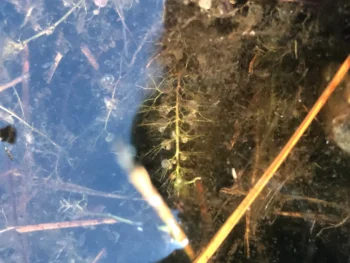
Striped Bladderwort: A Fascinating Native Carnivorous Plant for Water Gardens
Meet the striped bladderwort (Utricularia striata), one of North America’s most intriguing native aquatic plants. This tiny carnivorous perennial might just be the conversation starter your water garden has been missing. While it may not have the flashy appeal of a water lily, this little wonder offers something truly unique – it’s a plant that actually hunts for its dinner!
What Makes Striped Bladderwort Special?
Striped bladderwort is a delicate forb that belongs to the fascinating world of carnivorous plants. Don’t let its modest size fool you – this aquatic native is perfectly adapted to life in wetlands across the eastern United States. As a perennial plant, it returns year after year, making it a reliable addition to appropriate garden settings.
The plant gets its common name from the subtle striping patterns that can sometimes be observed on its small structures, though you’ll need to look closely to appreciate this detail.
Where Does It Call Home?
This native beauty has quite an impressive natural range, thriving across 19 states from Massachusetts down to Florida and as far west as Texas and Oklahoma. You’ll find it naturally growing in Alabama, Arkansas, Connecticut, Delaware, Florida, Georgia, Louisiana, Maryland, Massachusetts, Mississippi, New Jersey, New York, North Carolina, Oklahoma, Pennsylvania, Rhode Island, South Carolina, Texas, and Virginia.
- Species observed
- No observations
A Plant That Lives in Water
Here’s where striped bladderwort gets really interesting – it’s classified as an Obligate Wetland species across all regions where it grows. This means it almost always occurs in wetlands and requires consistently wet conditions to survive. Think of it as nature’s way of saying this plant is serious about staying hydrated!
Garden Appeal and Landscape Role
While striped bladderwort may not provide the bold visual impact of larger water plants, it offers subtle charm with its tiny yellow flowers that appear on thin stems above the water surface. These delicate blooms add a gentle touch to water gardens and can attract small flying insects.
In the landscape, this plant serves several important roles:
- Provides habitat for aquatic microorganisms
- Helps maintain water quality in natural systems
- Adds native plant diversity to water features
- Creates naturalistic appeal in bog or marsh gardens
Perfect Garden Settings
Striped bladderwort thrives in specialized garden environments, particularly:
- Bog gardens with consistently saturated soil
- Water gardens with shallow, still water areas
- Constructed wetlands or rain gardens
- Native plant gardens with water features
- Naturalized pond edges
Growing Conditions and Care
Successfully growing striped bladderwort is all about understanding its water-loving nature. This plant is hardy in USDA zones 6-10, covering most of its native range.
Essential growing conditions include:
- Permanent moisture or shallow standing water
- Acidic to neutral soil pH
- Full sun to partial shade exposure
- Protection from drying out – even briefly
The good news? Once established in the right conditions, striped bladderwort requires minimal maintenance. It’s adapted to take care of itself, including finding its own food through its carnivorous abilities!
Planting and Establishment Tips
Getting started with striped bladderwort requires some planning:
- Source plants from reputable native plant nurseries
- Plant in containers that can be submerged in water features
- Ensure water levels remain consistent year-round
- Allow the plant to naturalize – it knows what it’s doing!
- Avoid fertilizing, as this can disrupt its natural carnivorous feeding
Should You Grow Striped Bladderwort?
Striped bladderwort is perfect for gardeners who:
- Love unique, conversation-worthy plants
- Have water gardens or bog garden areas
- Want to support native aquatic ecosystems
- Appreciate subtle, naturalistic beauty
- Enjoy low-maintenance plants once established
However, it might not be the right choice if you’re looking for bold visual impact or don’t have consistently wet growing conditions available.
For gardeners with the right conditions, striped bladderwort offers a chance to grow a truly fascinating native species that connects your garden to the rich aquatic ecosystems of eastern North America. It’s a small plant with a big story – and that’s exactly what makes it special!