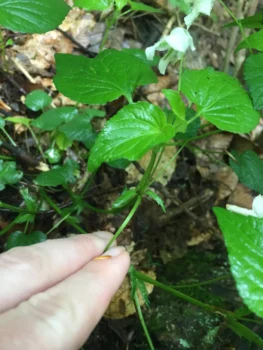
Striped Cream Violet: A Charming Native Groundcover for Shady Spots
Looking for a delightful native plant that thrives in those tricky shaded areas of your garden? Meet the striped cream violet (Viola striata), a petite perennial that packs a surprising punch of charm and ecological value. This humble little wildflower might just become your new favorite groundcover!
What Makes Striped Cream Violet Special?
The striped cream violet is a true North American native, naturally occurring across a impressive range that spans from southeastern Canada down through much of the eastern United States. You’ll find this adaptable little plant growing wild in states from Alabama to Wisconsin, and everywhere in between – including Alabama, Arkansas, Connecticut, Delaware, District of Columbia, Georgia, Illinois, Indiana, Iowa, Kentucky, Maryland, Massachusetts, Michigan, Missouri, New Hampshire, New Jersey, New York, North Carolina, Ohio, Oklahoma, Pennsylvania, South Carolina, Tennessee, Virginia, West Virginia, and Wisconsin, plus Ontario, Canada.
- Species observed
- No observations
As a perennial forb (that’s just a fancy way of saying a non-woody flowering plant), this violet forms low-growing clumps that spread gently over time, making it perfect for creating natural-looking carpets of greenery.
Beauty in Simplicity
Don’t let its modest size fool you – the striped cream violet offers subtle beauty that’s absolutely enchanting up close. The flowers are small but distinctive, featuring creamy white petals adorned with delicate purple stripes that give the plant its common name. These charming blooms appear in spring, creating a lovely contrast against the heart-shaped, bright green leaves.
The plant typically grows just 4-8 inches tall but can spread 6-12 inches wide, making it an excellent choice for filling in gaps and creating a cohesive look in shaded garden beds.
Where Does Striped Cream Violet Shine?
This versatile native is perfect for several garden scenarios:
- Woodland gardens where it can naturalize under trees
- Shade borders that need a reliable, low-maintenance groundcover
- Rain gardens and moist areas (it has a facultative wetland status, meaning it’s happy in wet or moderately dry conditions)
- Native plant gardens focused on supporting local ecosystems
- Rock gardens with partial shade
Growing Conditions That Make It Happy
One of the best things about striped cream violet is how easygoing it is about growing conditions. Here’s what it prefers:
- Light: Partial to full shade (perfect for those spots where sun-lovers struggle)
- Soil: Moist to moderately moist, well-draining soil of various types
- Hardiness: USDA zones 3-8, making it suitable for most temperate regions
- Water: Consistent moisture is ideal, but it’s fairly drought-tolerant once established
Planting and Care Made Simple
Growing striped cream violet is refreshingly straightforward:
- Plant in spring or fall when temperatures are moderate
- Space plants 6-12 inches apart to allow for natural spreading
- Water regularly during the first growing season to help establish roots
- Apply a thin layer of mulch to retain moisture and suppress weeds
- Once established, this is a truly low-maintenance plant that largely takes care of itself
The plant may self-seed in favorable conditions, which is actually a bonus if you want more natural coverage over time.
Wildlife Benefits That Matter
Here’s where striped cream violet really earns its keep in the native garden! This little plant is a pollinator magnet, attracting small bees, flies, and butterflies to its nectar-rich flowers. Even more importantly, it serves as a host plant for fritillary butterfly caterpillars, providing essential habitat for these beautiful native butterflies to complete their life cycle.
By choosing native plants like striped cream violet, you’re not just creating a beautiful garden – you’re supporting the intricate web of local wildlife that depends on native plants for survival.
Is Striped Cream Violet Right for Your Garden?
If you have shaded or partially shaded areas that could use some gentle, natural-looking coverage, striped cream violet could be an excellent choice. It’s particularly valuable if you’re interested in:
- Supporting native wildlife and pollinators
- Creating low-maintenance garden areas
- Adding subtle spring interest to woodland settings
- Establishing groundcover in moist or occasionally wet areas
While it may not be the showiest plant in your garden, the striped cream violet offers that quiet, enduring beauty that makes native plants so special. Plus, knowing that you’re providing habitat for butterflies and other wildlife adds an extra layer of satisfaction to your gardening efforts.
Ready to give this charming native a try? Your shady garden spots – and the local wildlife – will thank you for it!