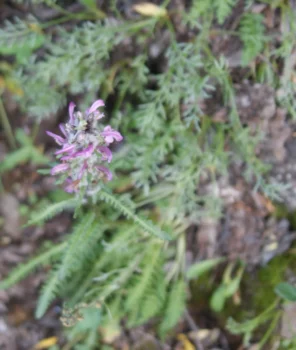
Sudetic Lousewort: A Rare Native Gem for High-Altitude Gardens
If you’re looking for a truly unique native plant to add to your mountain garden, sudetic lousewort (Pedicularis sudetica scopulorum) might just be the conversation starter you’ve been seeking. This lesser-known perennial herb brings a touch of botanical intrigue to the right garden setting, though it’s definitely not your typical garden center find.
What is Sudetic Lousewort?
Sudetic lousewort is a native perennial forb that belongs to the fascinating world of semi-parasitic plants. Don’t let the lousewort name put you off – it’s a historical moniker that has nothing to do with actual lice! This herbaceous plant lacks woody tissue above ground and maintains its perennating buds at or below the soil surface, making it well-adapted to harsh mountain conditions.
You might also encounter this plant listed under its synonyms Pedicularis scopulorum or Pedicularis sudetica var. scopulorum in older botanical references.
Where Does It Grow Naturally?
This native beauty calls the American West home, specifically thriving in Colorado, New Mexico, and Wyoming. Its natural range spans the high-elevation landscapes of these states, where it has adapted to the unique challenges of mountain living.
- Species observed
- No observations
A Word of Caution: Rarity Status
Before you start planning your sudetic lousewort garden, there’s an important consideration: this plant has a global conservation status of S5T3T4, indicating it’s relatively uncommon. If you’re determined to grow this species, please ensure you source it responsibly from reputable native plant nurseries or authorized seed collectors. Never collect from wild populations, as this can harm already vulnerable communities.
Garden Suitability and Growing Conditions
Sudetic lousewort has some specific preferences that make it challenging but rewarding for the right gardener:
- Moisture preferences: Classified as Facultative Wetland across its range, meaning it usually grows in wetland conditions but can tolerate drier sites
- Habitat needs: Thrives in high-elevation mountain environments
- Garden style: Best suited for naturalistic mountain gardens, alpine gardens, or specialized native plant collections
- Maintenance level: Likely low-maintenance once established, though establishment can be challenging
The Semi-Parasitic Factor
Here’s where sudetic lousewort gets really interesting: like other members of the Pedicularis genus, it’s semi-parasitic. This means it can photosynthesize on its own but also taps into the root systems of nearby plants for additional nutrients. This unique lifestyle makes it both fascinating and somewhat tricky to cultivate, as it needs compatible host plants to truly thrive.
Wildlife and Pollinator Value
While specific data on wildlife benefits for this subspecies is limited, louseworts in general are known to support specialized pollinators and provide habitat value in their native ecosystems. The flowers typically attract bees and other insects adapted to their unique structure.
Should You Grow Sudetic Lousewort?
Consider growing it if:
- You have experience with challenging native plants
- You’re creating a high-elevation or mountain-themed garden
- You can source plants or seeds responsibly
- You’re fascinated by unusual plant biology
- You have consistently moist growing conditions
Think twice if:
- You’re new to native plant gardening
- You live at low elevations or in hot climates
- You prefer plants with showy, long-lasting blooms
- You can’t provide adequate moisture
Growing Tips and Care
Successfully growing sudetic lousewort requires patience and the right conditions:
- Location: Choose a spot that mimics its native mountain habitat with good drainage but consistent moisture
- Companions: Plant alongside native grasses and forbs that can serve as potential host plants
- Patience: Expect slow establishment and don’t be discouraged if it takes time to settle in
- Moisture: Maintain consistent soil moisture, especially during the growing season
- Minimal disturbance: Once established, avoid disturbing the root system
The Bottom Line
Sudetic lousewort is definitely a plant for the adventurous native plant enthusiast rather than the casual gardener. Its rarity, specific growing requirements, and semi-parasitic nature make it a challenging but potentially rewarding addition to the right mountain garden. If you’re up for the challenge and can source it responsibly, this unique native could become a prized specimen in your collection of unusual plants.
Remember, part of being a responsible native plant gardener means respecting the conservation status of rare species and always choosing sustainable sourcing methods. Sometimes the most rewarding gardens are those that challenge us to learn and grow alongside our plants!