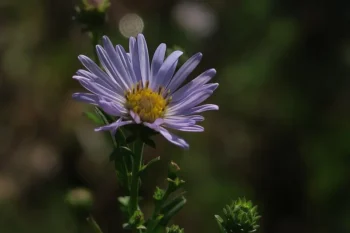
Suisun Marsh Aster: A Rare Wetland Gem for California Gardens
If you’re passionate about rare native plants and have a wetland garden or soggy spot in your yard, let me introduce you to one of California’s botanical treasures: the Suisun Marsh aster (Symphyotrichum lentum). This isn’t your typical garden center find – it’s a special perennial that deserves a closer look from dedicated native plant enthusiasts.
What Makes This Plant Special?
The Suisun Marsh aster is a California endemic, meaning it exists nowhere else on Earth. This herbaceous perennial belongs to the aster family and produces beautiful purple to lavender daisy-like flowers that bloom in fall when many other plants are winding down for the year. It’s what botanists call a forb – essentially a non-woody flowering plant that dies back to the ground each winter and returns from its roots in spring.
Where Does It Grow?
This rare beauty is found exclusively in California, particularly in wetland areas of the San Francisco Bay Area and Central Valley. It has quite a few scientific aliases too – you might see it listed as Aster chilensis var. lentus, Aster lentus, or Aster sonomensis in older references.
- Species observed
- No observations
Important Conservation Note
Here’s something crucial every gardener should know: Suisun Marsh aster has a Global Conservation Status of S2, meaning it’s considered imperiled. With typically only 6 to 20 known occurrences and between 1,000 to 3,000 remaining individuals in the wild, this plant is extremely rare and vulnerable to extinction.
If you’re interested in growing this plant, please only purchase from reputable nurseries that propagate from responsibly sourced material. Never collect seeds or plants from wild populations – this could harm the species’ survival.
Garden Appeal and Uses
So why would you want to grow this rare aster? For starters, it’s perfect for wetland gardens, rain gardens, or any consistently moist area in your landscape. The fall-blooming purple flowers provide crucial late-season nectar for native bees, butterflies, and other pollinators when few other plants are flowering.
This plant shines in:
- Wetland restoration projects
- Native plant gardens focused on California species
- Rain gardens and bioswales
- Bog or marsh gardens
- Conservation-minded landscapes
Growing Conditions
As an obligate wetland plant, Suisun Marsh aster has very specific water requirements – it almost always needs to grow in wetland conditions. This means consistently moist to wet soils are essential for its survival.
Ideal growing conditions include:
- Full sun to partial shade
- Consistently moist to wet, poorly-drained soils
- USDA Hardiness Zones 8-10
- Protection from strong winds
Planting and Care Tips
If you’re lucky enough to source this rare plant, spring planting gives it the best start. Choose a location that stays consistently moist – think of areas where water naturally collects or where you can easily provide supplemental irrigation.
Care requirements:
- Plant in spring after the last frost
- Ensure soil never dries out completely
- Minimal fertilization needed in rich, wetland soils
- Allow natural die-back in winter
- Divide clumps every few years to maintain vigor
The Bottom Line
Suisun Marsh aster isn’t for every garden or every gardener. It requires specific wetland conditions and a commitment to conservation-minded gardening. However, if you have the right growing conditions and can source plants responsibly, you’ll be rewarded with a truly unique California native that supports late-season pollinators while helping preserve a rare piece of our natural heritage.
Remember, growing rare native plants like Suisun Marsh aster is as much about conservation as it is about gardening. By cultivating these special species in our gardens, we’re helping ensure they don’t disappear forever while creating habitat for the wildlife that depends on them.