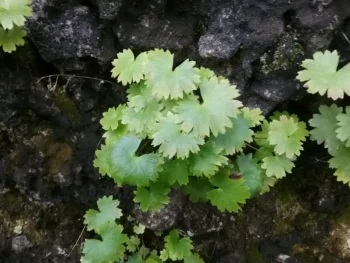
Sullivant’s Coolwort: A Delicate Native Gem for Shady Spots
If you’re looking for a charming native plant that thrives in those tricky shaded corners of your garden, meet Sullivant’s coolwort (Sullivantia sullivantii). This delicate perennial might not be the showiest plant in your garden, but it’s got a quiet charm that makes it a wonderful addition to woodland settings and naturalized areas.
What Makes Sullivant’s Coolwort Special?
Sullivant’s coolwort is a native herbaceous perennial that belongs to a small group of plants you won’t find just anywhere. As a true native to the lower 48 states, this little forb has been quietly doing its thing in American landscapes long before European settlers arrived. It’s the kind of plant that rewards careful observation – while it won’t knock your socks off from across the yard, up close it reveals lovely kidney-shaped leaves and delicate sprays of tiny white flowers.
Where Does It Call Home?
This native beauty has a fairly specific range, naturally occurring across the Midwest and into parts of the eastern United States. You’ll find it growing wild in Illinois, Indiana, Iowa, Kentucky, Minnesota, Missouri, Ohio, Tennessee, Virginia, and Wisconsin. In nature, Sullivant’s coolwort often makes its home on limestone cliffs and rocky outcroppings, which gives us a big clue about what it likes in our gardens.
- Species observed
- No observations
Garden Appeal and Design Role
Don’t expect Sullivant’s coolwort to be your garden’s main attraction – think of it more as a supporting actor that adds texture and native authenticity to your landscape. The plant produces attractive, rounded leaves that form a low groundcover, topped in late spring and early summer with airy clusters of small white flowers. It’s perfect for:
- Woodland gardens and naturalized areas
- Rock gardens and rocky slopes
- Shaded groundcover applications
- Native plant gardens focused on regional flora
Growing Conditions and Care
The good news? Sullivant’s coolwort isn’t particularly fussy once you understand its preferences. This plant thrives in USDA hardiness zones 4-7, making it suitable for much of the northern and central United States.
Ideal growing conditions include:
- Partial to full shade (mimicking its natural woodland habitat)
- Moist, well-draining soil
- Rocky or gravelly soil conditions (it actually prefers this!)
- Consistent moisture without waterlogging
Planting and Care Tips
Once established, Sullivant’s coolwort is refreshingly low-maintenance. Here’s how to give it the best start:
- Plant in spring or fall when temperatures are moderate
- Choose a spot with morning sun and afternoon shade, or dappled light throughout the day
- Amend heavy clay soils with gravel or coarse sand to improve drainage
- Water regularly the first year until established
- Mulch lightly to retain moisture and suppress weeds
- No fertilizer needed – this plant prefers lean conditions
Wildlife and Pollinator Benefits
While Sullivant’s coolwort may seem modest, its small white flowers provide nectar for various small pollinators including flies, gnats, and tiny native bees. The plant also contributes to the overall ecosystem health of native plant communities, supporting the complex web of insects and other creatures that depend on regional native flora.
A Word About Responsible Sourcing
Here’s something important to know: Sullivant’s coolwort has an uncertain conservation status, and populations can be quite localized. If you decide to grow this plant (and we think you should!), make sure you source it from reputable native plant nurseries that propagate their own stock rather than wild-collecting. Never dig plants from the wild – this can harm fragile populations.
Is Sullivant’s Coolwort Right for Your Garden?
Consider adding Sullivant’s coolwort to your garden if you:
- Have shady spots that need interesting groundcover
- Want to support native plant communities
- Enjoy subtle, naturalistic garden design
- Have rocky or challenging soil conditions
- Live within its natural range and hardiness zones
While it might not be the star of your garden show, Sullivant’s coolwort offers the quiet satisfaction of growing a truly regional native plant. It’s perfect for gardeners who appreciate the subtle beauty of plants that have called your area home for thousands of years.