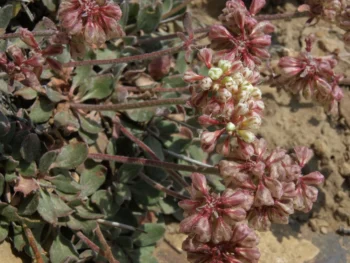
Sulphur-Flower Buckwheat: A Golden Gem for Western Gardens
If you’re looking for a native plant that delivers stunning color while asking for almost nothing in return, let me introduce you to sulphur-flower buckwheat (Eriogonum umbellatum var. versicolor). This delightful perennial is like that low-maintenance friend who always shows up looking fabulous – except in this case, it’s your garden that gets to look amazing.
What Makes This Plant Special?
Sulphur-flower buckwheat is a native forb herb, meaning it’s a non-woody perennial plant that comes back year after year. Don’t let the technical term forb throw you – think of it simply as a hardy wildflower that knows how to survive in tough conditions. This particular variety puts on quite a show with bright yellow flower clusters that gradually transform into warm oranges and reds as they age, giving you a beautiful color progression throughout the growing season.
Where Does It Come From?
This western beauty calls California and Nevada home, thriving in the mountainous and high desert regions of these states. As a true native of the American West, it’s perfectly adapted to the challenging conditions that make many other plants throw in the towel.
- Species observed
- No observations
Why Your Garden (and Local Wildlife) Will Love It
Here’s where sulphur-flower buckwheat really shines as a garden addition:
- Pollinator magnet: Bees, butterflies, and other beneficial insects flock to its nectar-rich flowers
- Drought champion: Once established, it thrives with minimal water
- Long-lasting color: Flowers bloom through summer and provide multi-toned interest as they age
- Low maintenance: This plant practically takes care of itself
Perfect Garden Scenarios
Sulphur-flower buckwheat works beautifully in several garden settings:
- Rock gardens where its drought tolerance shines
- Xeriscapes and water-wise landscapes
- Native plant gardens celebrating regional flora
- Naturalized wildflower meadows
- As groundcover in challenging, dry areas
Growing Conditions That Make It Happy
The beauty of this plant lies in its simplicity. Sulphur-flower buckwheat thrives in USDA hardiness zones 4-8 and has some pretty straightforward preferences:
- Sunlight: Full sun is best – this plant loves to bask
- Soil: Well-drained soils are essential; it actually prefers poor, rocky conditions over rich soil
- Water: Low water needs once established – perfect for water-conscious gardeners
- Space: Works well as a spreading groundcover or accent plant
Planting and Care Tips
Getting started with sulphur-flower buckwheat is refreshingly straightforward:
- When to plant: Spring or fall are ideal planting times
- Drainage is key: If your soil holds water, consider raised beds or adding gravel for drainage
- Water wisely: Water regularly the first year to establish roots, then cut back significantly
- Deadheading: Remove spent flowers to encourage more blooms throughout the season
- Winter care: Leave seed heads for wildlife and cut back in late winter or early spring
A Note About Sourcing
While sulphur-flower buckwheat isn’t considered rare, its conservation status is somewhat unclear. To be on the safe side, make sure you’re purchasing from reputable native plant nurseries that source their plants responsibly. This helps protect wild populations while still allowing you to enjoy this beautiful native in your garden.
The Bottom Line
Sulphur-flower buckwheat is one of those plants that makes you wonder why more people aren’t growing it. It’s native, drought-tolerant, pollinator-friendly, and gorgeous – basically checking all the boxes for a perfect garden addition. If you’re in California or Nevada and want a plant that celebrates your local ecosystem while requiring minimal fuss, this golden beauty deserves a spot in your landscape. Your garden will look stunning, the bees will thank you, and you’ll have more time to enjoy your outdoor space instead of constantly tending to high-maintenance plants.