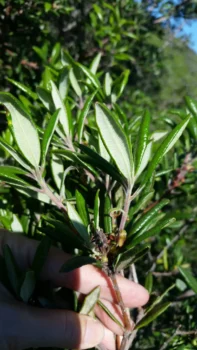
Summer Holly: A Hidden Gem for California Native Gardens
If you’re looking to add a touch of California’s natural charm to your garden, meet summer holly (Comarostaphylis diversifolia diversifolia) – a delightful native shrub that’s been quietly beautifying the Golden State’s landscapes for centuries. This evergreen beauty might not be as famous as some of its chaparral cousins, but it’s definitely worth getting to know.
What Makes Summer Holly Special?
Summer holly is a true California native, found exclusively within the state’s borders. As a perennial shrub, it’s built to last, typically growing as a multi-stemmed woody plant that usually stays under 13-16 feet tall. Don’t let the name fool you – while it’s called summer holly, it’s not related to traditional holly plants at all!
This charming shrub belongs to the same plant family as manzanitas, and you might even see it listed under its old scientific name, Arctostaphylos diversifolia, in some older gardening resources.
Where Does Summer Holly Call Home?
Summer holly is endemic to California, where it thrives in the state’s Mediterranean climate. You’ll find it naturally growing in chaparral and coastal sage scrub communities, where it has adapted perfectly to the cycle of wet winters and dry summers that defines much of California’s weather patterns.
- Species observed
- No observations
A Word About Conservation
Here’s something important to know: summer holly has a conservation status that suggests it may face some challenges in the wild. If you’re interested in growing this native beauty, please make sure to source your plants from reputable native plant nurseries that propagate their stock responsibly. Avoid collecting plants from the wild – let’s help protect the natural populations while enjoying this species in our gardens.
Why Choose Summer Holly for Your Garden?
There are several compelling reasons to consider adding summer holly to your landscape:
- Authentic California character: Nothing says California native garden quite like plants that evolved right here
- Drought tolerance: Once established, it thrives with minimal water – perfect for our water-conscious times
- Pollinator magnet: The clusters of small white to pink bell-shaped flowers are beloved by native bees and other pollinators
- Year-round interest: Evergreen foliage means it looks good in all seasons, plus you’ll get colorful red berries after flowering
- Low maintenance: This is a plant that knows how to take care of itself
Perfect Garden Companions
Summer holly shines brightest in native plant gardens, Mediterranean-style landscapes, and water-wise gardens. It’s particularly well-suited for:
- Native California plant collections
- Wildlife and pollinator gardens
- Coastal gardens (it handles salt air well)
- Drought-tolerant landscape designs
- Naturalistic plantings that mimic chaparral communities
Growing Summer Holly Successfully
The good news is that summer holly isn’t particularly fussy – it evolved in California’s sometimes challenging conditions, after all! Here’s what it needs to thrive:
Climate: Summer holly is hardy in USDA zones 9-10, making it perfect for most of California and similar Mediterranean climates.
Light requirements: It’s happiest in full sun but can tolerate partial shade, especially in hotter inland areas.
Soil needs: Well-draining soil is essential. It can handle various soil types as long as water doesn’t sit around the roots.
Water requirements: Once established, summer holly is quite drought tolerant. During its first year, provide occasional deep watering to help it get established, then back off to minimal supplemental watering.
Planting and Care Tips
For the best results with your summer holly:
- Plant in fall: This gives the roots time to establish before the dry summer months
- Space appropriately: Give it room to reach its natural size without crowding
- Mulch around the base: A layer of organic mulch helps retain moisture and suppress weeds
- Minimal pruning: This plant has a naturally attractive form – just remove any dead or damaged branches
- Patience pays: Like many natives, it may take a year or two to really get going, but it’s worth the wait
The Bottom Line
Summer holly represents the best of California’s native plant palette – beautiful, resilient, and ecologically valuable. While it may require a bit more effort to locate at nurseries compared to more common plants, the reward is a unique addition to your garden that truly belongs in the California landscape.
By choosing summer holly, you’re not just adding a lovely plant to your garden – you’re participating in the conservation of California’s natural heritage and creating habitat for local wildlife. Just remember to source it responsibly, and enjoy watching this special native thrive in your own little piece of California paradise.