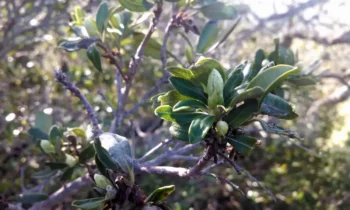
Summer Holly: A Rare California Native Worth Seeking Out
If you’re looking to add a touch of California’s wild beauty to your garden, summer holly (Comarostaphylis diversifolia planifolia) might just be the hidden gem you’ve been searching for. This charming native shrub brings year-round structure and authentic regional character to landscapes throughout its limited range.
What is Summer Holly?
Don’t let the name fool you – summer holly isn’t related to traditional holiday holly at all! This perennial shrub is actually a member of the heath family (Ericaceae), making it a cousin to manzanitas and madrones. As a multi-stemmed woody plant, it typically grows to a manageable size of 13-16 feet or less, though it can occasionally stretch taller under ideal conditions.
Summer holly is a true California native, found exclusively within the Golden State’s diverse ecosystems. This makes it a fantastic choice for gardeners committed to supporting local wildlife and preserving regional plant heritage.
- Species observed
- No observations
A Word About Rarity
Here’s something important to know: summer holly has a Global Conservation Status of S3T3, indicating it’s somewhat rare in the wild. This doesn’t mean you can’t grow it – quite the opposite! By cultivating this species in appropriate gardens, you’re actually helping to preserve it. However, it’s crucial to source your plants responsibly from reputable native plant nurseries rather than collecting from wild populations.
Why Choose Summer Holly for Your Garden?
Native plants like summer holly offer several compelling advantages:
- Perfect adaptation to local climate conditions
- Lower water requirements once established
- Support for native wildlife and pollinators
- Authentic regional character in your landscape
- Generally fewer pest and disease issues
Garden Design and Landscape Role
Summer holly works beautifully as a specimen plant, in native plant gardens, or as part of a mixed shrub border. Its modest size makes it suitable for both residential landscapes and larger naturalistic plantings. Consider it for:
- Native California gardens
- Mediterranean-style landscapes
- Drought-tolerant garden designs
- Wildlife habitat gardens
- Slope stabilization projects
Growing Conditions and Care
While specific growing requirements for this particular variety aren’t widely documented, most California native shrubs in the heath family prefer:
- Well-draining soil (essential for preventing root rot)
- Full sun to partial shade
- Minimal summer water once established
- Good air circulation
As with many California natives, summer holly likely performs best with a Mediterranean watering schedule – more moisture in winter and spring, with drier conditions during summer months.
Planting and Establishment Tips
Success with summer holly starts with proper planting:
- Plant in fall or early winter when possible
- Ensure excellent drainage – amend heavy soils if necessary
- Water regularly the first year to establish roots
- Apply a light layer of mulch, keeping it away from the trunk
- Avoid fertilizers, which can harm many native plants
The Bottom Line
Summer holly represents an opportunity to grow something truly special – a rare California native that adds authentic regional character to your landscape. While it may take some effort to locate (remember, source responsibly!), the reward is a beautiful shrub that connects your garden to California’s natural heritage while supporting local ecosystems.
If you can’t find summer holly or want additional options, consider exploring other native California shrubs like manzanitas, ceanothus, or toyon – all excellent alternatives that share similar benefits and growing requirements.