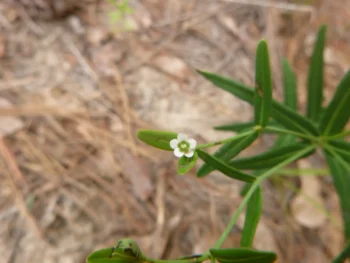
Summer Spurge: A Rare Native Wildflower Worth Protecting
If you’re passionate about native plants and conservation, you might be intrigued by summer spurge (Euphorbia discoidalis), a lesser-known member of the diverse spurge family. This native wildflower represents the kind of botanical treasure that makes native gardening both rewarding and important for preserving our natural heritage.
Meet the Summer Spurge
Summer spurge, scientifically known as Euphorbia discoidalis, is a perennial forb native to the southeastern United States. As a forb, it’s an herbaceous flowering plant without woody stems above ground—think of it as nature’s version of a wildflower that comes back year after year. You might also see it listed under its botanical synonym Tithymalopsis discoidalis in older plant references.
Where Does Summer Spurge Call Home?
This native beauty has a fairly limited natural range, growing wild in Alabama, Florida, Georgia, Louisiana, Mississippi, and Texas. It’s a true southerner that has adapted to the unique growing conditions of the Gulf Coast and southeastern regions.
- Species observed
- No observations
A Plant That Needs Our Help
Here’s where things get serious: summer spurge isn’t just uncommon—it’s actually considered rare. With a global conservation status that’s still being evaluated and a rarity ranking of S2? in Alabama (meaning it’s imperiled in the state), this plant needs our thoughtful attention. If you’re considering adding summer spurge to your garden, please make sure you source it responsibly from reputable native plant nurseries that propagate their own stock rather than wild-collecting.
Why Grow Summer Spurge?
While detailed horticultural information about this specific species is limited, there are compelling reasons to consider summer spurge for the right garden:
- It’s a true native that supports local ecosystems
- As a perennial, it provides lasting value in the landscape
- Growing rare natives helps preserve genetic diversity
- It connects your garden to the natural heritage of the Southeast
Growing Considerations
Unfortunately, specific growing requirements for Euphorbia discoidalis aren’t well-documented in horticultural literature. This is common with rare native plants that haven’t been extensively cultivated. If you’re interested in growing summer spurge, your best bet is to:
- Contact native plant societies in states where it naturally occurs
- Reach out to botanical gardens or universities in the Southeast
- Connect with specialized native plant nurseries
- Try to replicate the conditions of its natural habitat
A Conservation Opportunity
Growing summer spurge isn’t just about adding another plant to your garden—it’s about participating in conservation. When we cultivate rare native plants responsibly, we’re creating seed sources, preserving genetic material, and potentially helping species recover. Just remember: always source your plants ethically and never collect from wild populations.
The Bottom Line
Summer spurge represents the fascinating world of lesser-known native plants that deserve our attention and care. While it may not be the easiest plant to find or grow, it offers something special: a chance to connect with the rare and beautiful plants that make our regional ecosystems unique. If you do decide to grow it, you’ll be joining a small but important group of gardeners helping to preserve our native plant heritage for future generations.
Remember, when it comes to rare plants like summer spurge, patience and responsibility go hand in hand with passion. Take your time to source it properly, and you’ll be rewarded with the satisfaction of growing something truly special.