Sunbright: A Hidden Gem for Drought-Tolerant Gardens
Meet sunbright (Phemeranthus parviflorus), a charming little native wildflower that’s been quietly thriving across America’s heartland for centuries. This unassuming perennial might not win any height contests, but what it lacks in stature, it makes up for in resilience and subtle beauty.
What Exactly Is Sunbright?
Sunbright is a native perennial forb that belongs to the portulaca family. You might also see it listed under its older scientific names, Talinum parviflorum or Talinum appalachianum, but don’t let the name changes fool you – it’s the same tough little plant. As a forb, it’s essentially a non-woody flowering plant that comes back year after year, perfect for gardeners who love low-maintenance perennials.
Where Does Sunbright Call Home?
This prairie native has quite an impressive range across the central United States. You’ll find wild populations stretching from the northern reaches of Minnesota and North Dakota down through the Great Plains states like Kansas, Nebraska, and Oklahoma, and extending into parts of the South including Alabama, Arkansas, Louisiana, and Texas. It even pops up in Colorado, New Mexico, Illinois, Iowa, and Missouri.
- Species observed
- No observations
Important note for Alabama gardeners: Sunbright is considered rare in Alabama with an S1 status, meaning it’s critically imperiled in the state. If you’re in Alabama and want to grow this beauty, please source your plants or seeds responsibly from reputable native plant nurseries rather than collecting from wild populations.
Why Your Garden Will Love Sunbright
Here’s where sunbright really shines (pun intended!). This little powerhouse is practically built for our increasingly unpredictable climate:
- Drought champion: Once established, it laughs at dry spells
- Low maintenance: Perfect for weekend gardeners or anyone who travels frequently
- Pollinator friendly: Small native bees and other tiny pollinators love the delicate flowers
- Adaptable: Thrives in USDA zones 4-8, handling both prairie winters and southern summers
What to Expect from Your Sunbright
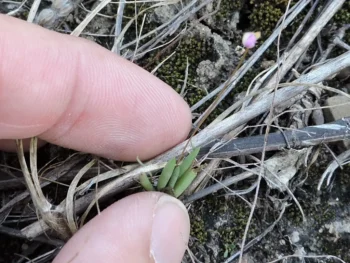
Don’t expect towering drama from this plant – sunbright keeps things understated. The small, pink to white flowers have a charming habit of opening in the afternoon sun (hence the name!), creating a subtle carpet of color. The succulent-like foliage adds interesting texture to garden beds, and the overall low-growing habit makes it an excellent groundcover option.
Perfect Spots for Sunbright
This adaptable native fits beautifully into several garden styles:
- Rock gardens: Thrives in well-draining, rocky conditions
- Prairie restorations: A natural choice for recreating native grassland ecosystems
- Xeriscaping: Essential for water-wise landscaping
- Native plant gardens: Adds authentic regional character
- Low-maintenance landscapes: Perfect for areas you want to look good without constant attention
Growing Sunbright Successfully
The secret to happy sunbright is thinking like a prairie: plenty of sun and excellent drainage.
Location: Choose a spot with full sun exposure. This plant evolved on open prairies and needs that bright light to thrive.
Soil: Well-draining soil is absolutely crucial. Sandy or rocky soils are ideal, but any soil that doesn’t hold water will work. Heavy clay that stays soggy will spell trouble for this drought-lover.
Planting: Spring is the best time to get sunbright established. If you’re starting from seed, you can also try fall planting to let winter’s freeze-thaw cycle help with germination.
Watering: Here’s the best part – once established, you can pretty much forget about watering. During the first growing season, provide occasional water during extended dry spells, but after that, let nature handle it.
Care and Maintenance
Sunbright is refreshingly low-maintenance. No need for fertilizing – this prairie native actually prefers lean soils. In favorable conditions, it may self-seed, giving you more plants for free (though not aggressively so). Simply enjoy watching the afternoon flowers open and close, and appreciate having chosen a plant that works with nature rather than against it.
Whether you’re creating a drought-tolerant landscape, restoring prairie habitat, or simply want a reliable native groundcover, sunbright deserves a spot in your garden. Just remember to source responsibly, especially if you’re in Alabama, and let this tough little native show you what millions of years of prairie evolution can accomplish.