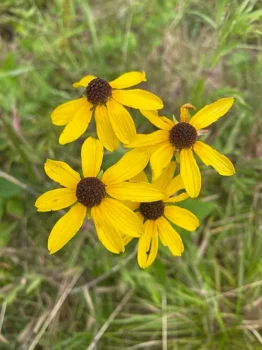
Sunfacing Coneflower: A Rare Southeastern Native Worth Protecting
Meet the sunfacing coneflower (Rudbeckia heliopsidis), a hidden gem among native wildflowers that deserves our attention—and our protection. This lesser-known member of the beloved Rudbeckia family brings all the cheerful charm of its more common cousins, but with a conservation story that makes it extra special.
A Rare Beauty with Golden Appeal
Like other members of the coneflower family, sunfacing coneflower produces bright yellow, daisy-like blooms with the characteristic dark centers that make Rudbeckia flowers so recognizable and beloved. As a perennial forb, it returns year after year, forming clumps of herbaceous growth that lack woody stems but pack plenty of garden appeal.
Where This Special Plant Calls Home
Sunfacing coneflower is native to the southeastern United States, naturally occurring in Alabama, Georgia, Mississippi, North Carolina, South Carolina, and Virginia. This regional native has adapted perfectly to southeastern growing conditions over thousands of years.
- Species observed
- No observations
Why This Plant Needs Our Help
Important Conservation Note: Rudbeckia heliopsidis carries a Global Conservation Status of S2, meaning it’s considered Imperiled due to extreme rarity. With typically only 6 to 20 known occurrences and few remaining individuals in the wild, this plant is especially vulnerable to extinction.
If you’re interested in growing sunfacing coneflower, it’s crucial to source plants or seeds only from reputable native plant nurseries that propagate their stock responsibly—never collect from wild populations. By choosing responsibly sourced plants, you can help preserve this rare species while enjoying its beauty in your garden.
Garden Value and Landscape Role
When responsibly sourced, sunfacing coneflower makes an excellent addition to:
- Native plant gardens
- Wildflower meadows
- Restoration projects
- Pollinator gardens
As a native wildflower, it likely provides valuable nectar and pollen for native bees, butterflies, and other pollinators, contributing to local ecosystem health.
Growing Sunfacing Coneflower Successfully
While specific growing requirements for this rare species aren’t well-documented, we can draw from the needs of related Rudbeckia species and its native habitat preferences:
- Sunlight: Likely prefers full sun to partial shade
- Soil: Well-draining soil, adaptable to various soil types
- Hardiness: Suitable for USDA zones 6-9 based on its native range
- Maintenance: Once established, should be relatively low-maintenance like other native Rudbeckia species
A Plant Worth Protecting
Sunfacing coneflower represents the delicate balance between gardening enjoyment and conservation responsibility. While it’s not a plant for every garden due to its rarity, those who can source it responsibly have the opportunity to participate in preserving a unique piece of southeastern botanical heritage.
If you can’t locate responsibly sourced sunfacing coneflower, consider planting other native Rudbeckia species like black-eyed Susan (Rudbeckia fulgida) or orange coneflower (Rudbeckia fulgida), which offer similar garden benefits while being more readily available and less conservation-sensitive.
Remember: every rare plant grown in a responsible garden setting is a small victory for biodiversity and a living reminder of the natural treasures we’re working to protect.