Sunflower Mule-Ears: A Bright Native Wildflower for Western Gardens
If you’re looking for a cheerful native wildflower that brings both beauty and ecological value to your garden, sunflower mule-ears (Wyethia helianthoides) might just be your new best friend. This delightful perennial forb combines the sunny appeal of its sunflower cousins with the rugged charm of a true western native.
What Makes Sunflower Mule-Ears Special?
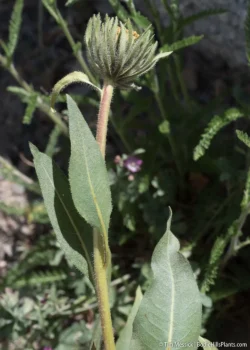
Sunflower mule-ears is a perennial forb – basically a non-woody plant that comes back year after year. True to its name, this native beauty produces bright yellow, sunflower-like blooms that can light up any garden space. The mule-ears part of its name comes from its distinctive large, broad leaves that somewhat resemble the ears of a mule.
As a native species to the lower 48 states, this plant has spent thousands of years adapting to local conditions, making it a naturally sustainable choice for gardeners who want to work with nature rather than against it.
Where Does It Call Home?
Sunflower mule-ears naturally grows across several western states, including Idaho, Montana, Nevada, Oregon, and Wyoming. If you live in these regions, you’re in luck – this plant is already perfectly adapted to your local climate and growing conditions!
- Species observed
- No observations
Why Your Garden (and Local Wildlife) Will Love It
There are plenty of reasons to consider adding sunflower mule-ears to your landscape:
- Pollinator magnet: Those bright yellow blooms are like neon signs for bees, butterflies, and other beneficial insects
- Low maintenance: Once established, it’s quite drought tolerant and doesn’t need much fussing
- Native plant benefits: Supports local ecosystems and provides food sources for native wildlife
- Seasonal interest: Produces showy blooms in late spring and early summer
- Naturalistic appeal: Perfect for wildflower gardens and naturalized landscapes
Where to Plant Sunflower Mule-Ears
This versatile native works beautifully in several garden styles:
- Native plant gardens and wildlife habitats
- Wildflower meadows and prairies
- Xeriscapes and drought-tolerant landscapes
- Mountain and high-elevation gardens
- Naturalized areas where you want a wild look
Growing Conditions and Care
One of the best things about native plants is that they’re typically easy to grow once you understand their preferences. Sunflower mule-ears thrives in USDA hardiness zones 4-8, making it suitable for a wide range of climates.
Light requirements: This plant prefers full sun but can tolerate some partial shade.
Soil needs: Well-drained soil is essential. It’s not particularly picky about soil type but doesn’t like to sit in soggy conditions.
Water requirements: While it has a Facultative Wetland status (meaning it can grow in both wet and dry conditions), once established, sunflower mule-ears is quite drought tolerant. This makes it an excellent choice for water-wise gardening.
Planting and Care Tips
Getting started with sunflower mule-ears is relatively straightforward:
- Timing: Plant in fall or early spring when temperatures are cool
- Spacing: Give plants adequate room to spread, as they may expand via underground rhizomes
- Watering: Water regularly the first year to help establish roots, then reduce frequency
- Maintenance: Very low maintenance once established – just remove spent flowers if desired
- Propagation: Can spread naturally through rhizomes, creating nice colonies over time
Is Sunflower Mule-Ears Right for Your Garden?
If you live within its native range and appreciate low-maintenance plants that support local wildlife, sunflower mule-ears could be a wonderful addition to your landscape. It’s particularly perfect for gardeners who want to create habitat for pollinators while enjoying beautiful blooms with minimal effort.
Just keep in mind that as a native wildflower, it may have a more informal, naturalistic appearance compared to highly bred garden varieties. If you prefer a very manicured look, you might want to consider where you place it in your landscape design.
Whether you’re creating a dedicated native plant garden or just want to add some regional character to your landscape, sunflower mule-ears offers the perfect combination of beauty, ecological value, and easy care that makes gardening both rewarding and sustainable.