Surf Thistle: A Critically Rare California Coastal Native Worth Protecting
If you’re drawn to unique native plants with a story to tell, surf thistle (Cirsium rhothophilum) might just capture your heart—and your sense of conservation responsibility. This remarkable coastal thistle is one of California’s rarest native plants, making it both a treasure and a challenge for dedicated native gardeners.
What Makes Surf Thistle Special
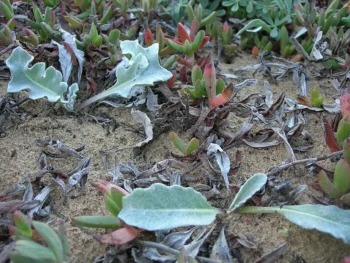
Surf thistle is a biennial to perennial forb that belongs to California’s coastal heritage. With its striking purple-pink thistle flowers rising above silvery-green, spiny foliage, this plant embodies the rugged beauty of California’s coastal bluffs. The botanical name Cirsium rhothophilum may be a mouthful, but it represents something truly precious in the plant world.
A Plant on the Edge: Conservation Status
Important Conservation Note: Surf thistle carries a Global Conservation Status of S1, meaning it’s critically imperiled. With typically five or fewer known occurrences and very few remaining individuals (fewer than 1,000), this plant teeters on the brink of extinction. If you’re considering growing surf thistle, you must source it only from reputable native plant nurseries that use responsibly collected seeds or ethically propagated material—never collect from wild populations.
Where Surf Thistle Calls Home
This rare beauty is native exclusively to California, where it clings to life along the state’s coastal regions. In the wild, you’ll find it growing on coastal bluffs and sandy dunes, where it has adapted to the harsh conditions of salt spray, sandy soils, and coastal winds.
- Species observed
- No observations
Why Grow Surf Thistle? (With Great Responsibility)
Growing surf thistle isn’t just about adding an unusual plant to your garden—it’s about participating in conservation. Here’s why this plant matters:
- Pollinator magnet: The nectar-rich flowers attract native bees, butterflies, and other beneficial insects
- Coastal adaptation: Perfect for challenging coastal conditions where many plants struggle
- Conservation impact: Every responsibly grown plant helps preserve genetic diversity
- Unique beauty: Distinctive spiny architecture and colorful blooms add drama to native gardens
Is Surf Thistle Right for Your Garden?
This isn’t a plant for casual gardeners. Surf thistle works best in:
- Coastal native plant gardens
- Xeriscaped areas with excellent drainage
- Specialized conservation gardens
- Educational or demonstration landscapes
Given its rarity, surf thistle is ideal for gardeners who are passionate about native plant conservation and willing to provide the specific care this species needs.
Growing Conditions and Care
Surf thistle thrives in USDA hardiness zones 9-10, matching California’s coastal climate. Here’s what this rare beauty needs to flourish:
Soil Requirements
- Sandy, well-draining soil (mimicking coastal dune conditions)
- Excellent drainage is absolutely critical
- Tolerates poor, sandy soils
Light and Water
- Full sun exposure
- Salt-tolerant (adapted to coastal conditions)
- Minimal water once established—overwatering is often fatal
- Drought-tolerant after the first growing season
Planting and Maintenance
- Plant in fall or early spring
- Avoid disturbing the root system once established
- No fertilizer needed—adapted to nutrient-poor soils
- Allow natural self-seeding in appropriate conditions
A Plant Worth Protecting
Surf thistle represents more than just another native plant option—it’s a living piece of California’s coastal ecosystem that desperately needs our help. As a forb (herbaceous flowering plant), it plays an important ecological role in its native habitat, supporting pollinators and contributing to the complex web of coastal plant communities.
If you choose to grow surf thistle, you’re becoming a conservation steward. This means sourcing plants ethically, providing proper care, and potentially participating in seed collection programs that help maintain genetic diversity. It’s a responsibility that comes with the privilege of growing one of California’s rarest native plants.
For most gardeners interested in coastal natives, consider more common thistle species or other coastal plants that can provide similar benefits without the conservation concerns. But for those ready to take on the challenge and responsibility, surf thistle offers the chance to directly contribute to preserving California’s botanical heritage—one carefully tended plant at a time.