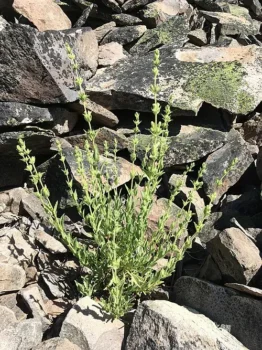
Susanville Beardtongue: A Rare Gem for Your Native Garden
Meet the Susanville beardtongue (Penstemon sudans), a charming little wildflower that’s as special as it is beautiful. This delicate perennial herb might not be the showiest plant in the garden, but what it lacks in size, it more than makes up for in character and ecological value.
What Makes Susanville Beardtongue Special?
The Susanville beardtongue is a true California and Nevada native, found naturally in just a small corner of the world – northeastern California and western Nevada. This little herb belongs to the snapdragon family and produces lovely tubular flowers that range from white to pale pink or soft lavender. The blooms appear in late spring to early summer, creating delicate spikes that dance in the breeze.
As a perennial forb (that’s botanist-speak for a non-woody flowering plant), this beardtongue comes back year after year, slowly forming small clumps that add subtle beauty to any native plant collection.
Where Does It Call Home?
This regional treasure grows naturally in California and Nevada, with most populations centered around the Susanville area – hence the name! It’s perfectly adapted to the high desert conditions of this region, making it a fantastic choice for gardeners in similar climates.
- Species observed
- No observations
A Word of Caution: Handle with Care
Here’s something important to know: Susanville beardtongue has a Global Conservation Status of S3, meaning it’s considered vulnerable in the wild. With typically only 21 to 100 known occurrences and between 3,000 to 10,000 individuals remaining, this little plant needs our help.
If you’re thinking of adding this beauty to your garden (and we hope you are!), please make sure you source your plants or seeds from reputable native plant nurseries that propagate their own stock. Never collect from wild populations – let’s help this special plant thrive rather than struggle.
Why Your Garden Will Love It
Despite its rarity in nature, Susanville beardtongue can be a wonderful addition to the right garden. Here’s why you might want to consider it:
- Pollinator magnet: Those tubular flowers are perfect for native bees, butterflies, and even hummingbirds
- Water-wise: Once established, it’s incredibly drought tolerant
- Low maintenance: This little herb pretty much takes care of itself
- Authentic native character: Perfect for creating truly regional native plant gardens
- Rock garden star: Its compact size and drought tolerance make it ideal for rocky, well-draining spots
Perfect Garden Homes
Susanville beardtongue shines in:
- Native plant gardens focused on California/Nevada flora
- Rock gardens and alpine-style plantings
- Xeriscaping and drought-tolerant landscapes
- Pollinator gardens in appropriate climate zones
- Conservation gardens supporting rare species
Growing Your Susanville Beardtongue Successfully
The good news is that once you understand this plant’s preferences, it’s relatively easy to grow. Think high desert and you’ll be on the right track.
Climate Needs
This hardy little plant thrives in USDA zones 5-8, handling both cold winters and hot, dry summers with grace.
Sun and Soil
Give your Susanville beardtongue:
- Full sun: At least 6 hours of direct sunlight daily
- Excellent drainage: This is non-negotiable – soggy soil will kill it
- Rocky or sandy soil: It actually prefers lean, mineral-rich soils over rich garden loam
Planting and Care Tips
- Best planting time: Spring, after the last frost
- Watering: Water regularly the first season to establish roots, then cut back dramatically
- Fertilizing: Skip it! This plant actually prefers poor soils
- Maintenance: Deadhead spent flowers to encourage more blooms, but leave some for seed production
- Winter care: Cut back dead foliage in late fall or early spring
A Small Plant with Big Impact
While Susanville beardtongue might not be the flashiest addition to your garden, choosing to grow this rare native is a meaningful act of conservation. You’ll be supporting biodiversity, providing food for pollinators, and keeping a piece of California and Nevada’s natural heritage alive in cultivation.
Plus, there’s something deeply satisfying about successfully growing a plant that’s perfectly adapted to your region’s climate. Once established, your Susanville beardtongue will reward you with years of delicate blooms and the knowledge that you’re making a difference for a vulnerable species.
Remember: source responsibly, plant thoughtfully, and enjoy watching this little conservation success story bloom in your own backyard!